Steam trains, mountain railroad landmarks, and the mines and patch towns of Pennsylvania's anthracite region.
Coal and railroads made Pennsylvania rich, and they shaped its mountains and towns more than anything else. In the
northeast, anthracite, the hard coal that heated East Coast cities for a century, was dug from deep mines by immigrants
who lived in company patch towns; several mines are now open for tours, and the miners' stories are at the heart of every
one. Farther west, the Pennsylvania Railroad pushed its main line over the Allegheny Front at Horseshoe Curve, and many of
its engines are preserved at Strasburg, where steam trains still run through the farmland. Bring a jacket for the mine
tours, which stay cool all year, and give the museums time; each tells a bigger story than its size suggests.
1National historic site · Scranton, Lackawanna County
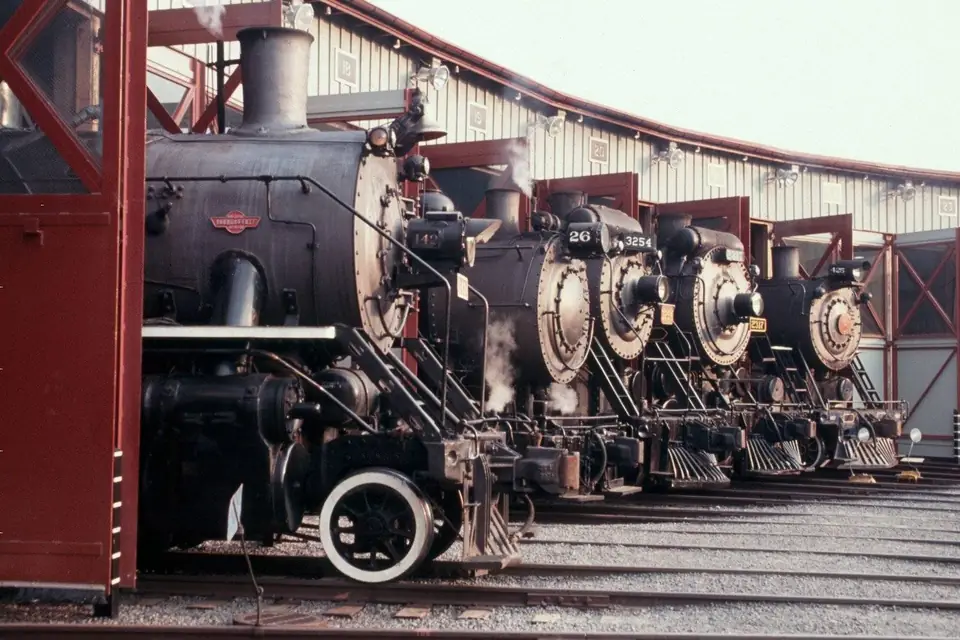
The National Park Service's railroad museum fills the old Delaware, Lackawanna and Western yards in Scranton, with a roundhouse, a big collection of steam locomotives and one of the few surviving Union Pacific Big Boys. On some days steam excursions leave from the yard.
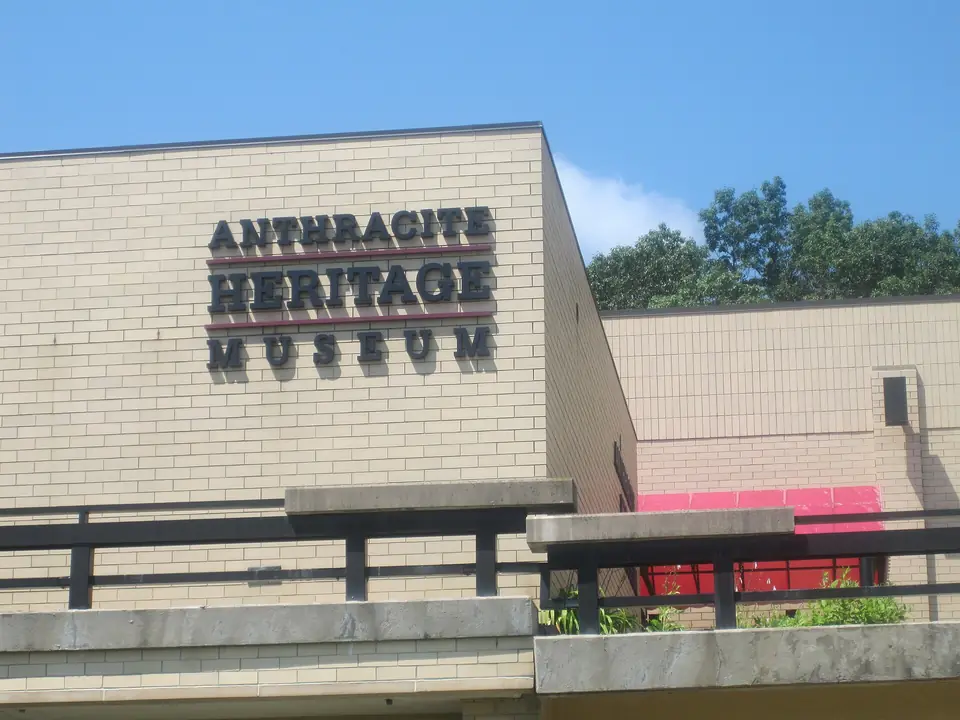
A thoughtful state museum about the immigrants who mined hard coal, worked in the silk mills and built the churches of northeastern Pennsylvania. It shares a hilltop park with the Lackawanna Coal Mine tour, so plan to do both.
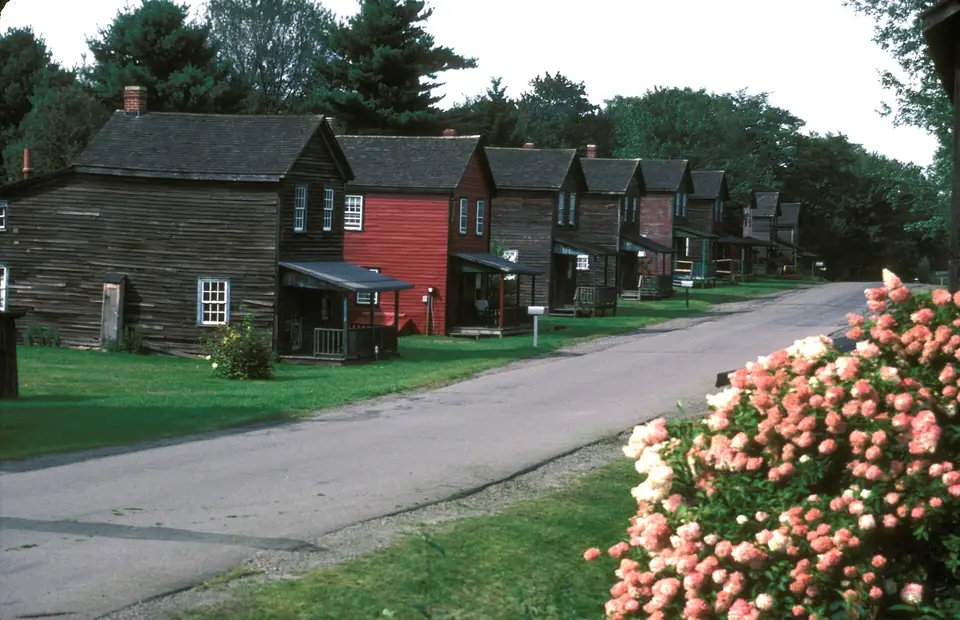
A coal company's patch town from the 1850s, with rows of miners' double houses, the mine bosses' homes and two churches. The 1970 film The Molly Maguires was shot here, and the coal breaker built as a set for it still stands.
A mine car carries you deep into the mountain at Lansford, into a mine that opened in 1855 and worked until 1972. Underground you see a first-aid room cut into the rock, and the museum above ground fills in the miners' lives.
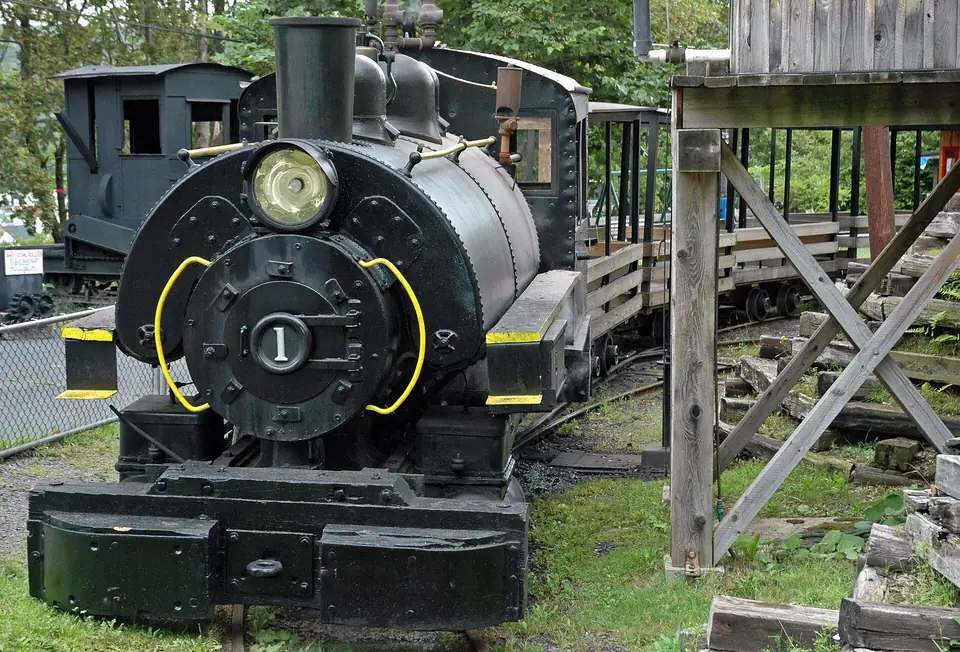
Open mine cars run straight into Mahanoy Mountain on a level tunnel, and outside a small steam locomotive pulls visitors along the mountainside. Centralia, emptied by an underground mine fire that began in 1962, is a few miles away.
Across the road from the Strasburg Rail Road, a state museum with one of the country's great collections of historic locomotives and cars, many of them from the Pennsylvania Railroad, lined up side by side in a vast hall.
Since 1854, trains have climbed the Allegheny Front west of Altoona by swinging around this great curve. A funicular or a long flight of steps takes you up to trackside, where freight trains still rumble past.
Before the Horseshoe Curve, canal boats crossed Allegheny Mountain on this railroad of 1834, hauled up and down a series of inclined planes by stationary steam engines. At the summit are a visitor center, the old Lemon House tavern and an exhibit on one of the engine houses.
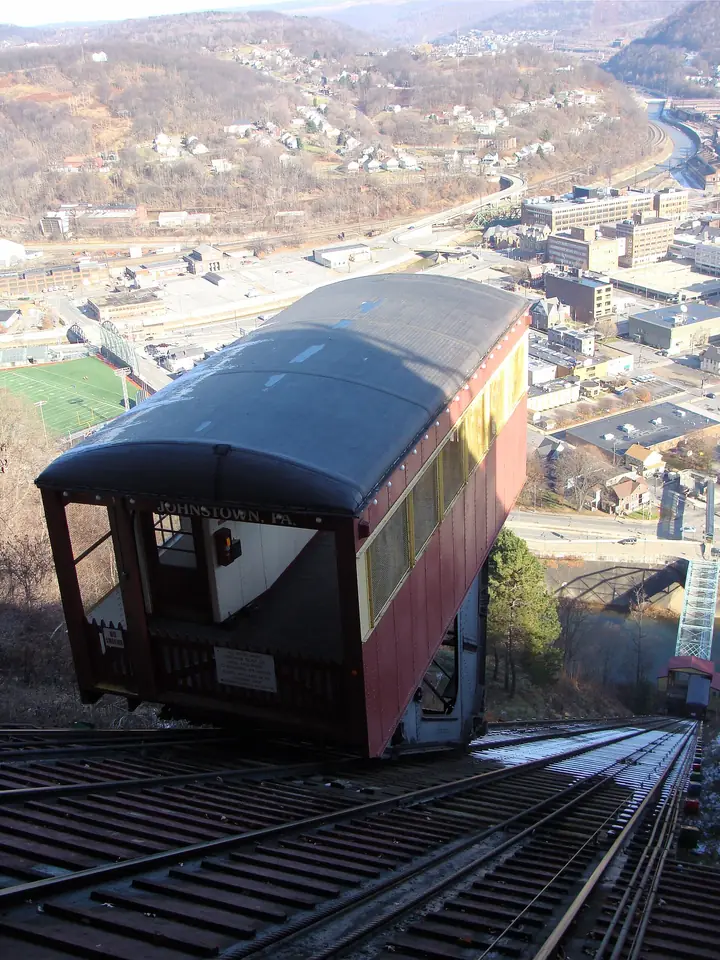
Built after the flood of 1889 to link Johnstown with the new hilltop borough of Westmont, this steep incline still carries people, and cars, up the hillside. The view from the top takes in the valley the flood swept through.