Few states hold as much of the American story as Pennsylvania. The Declaration of Independence and the Constitution were
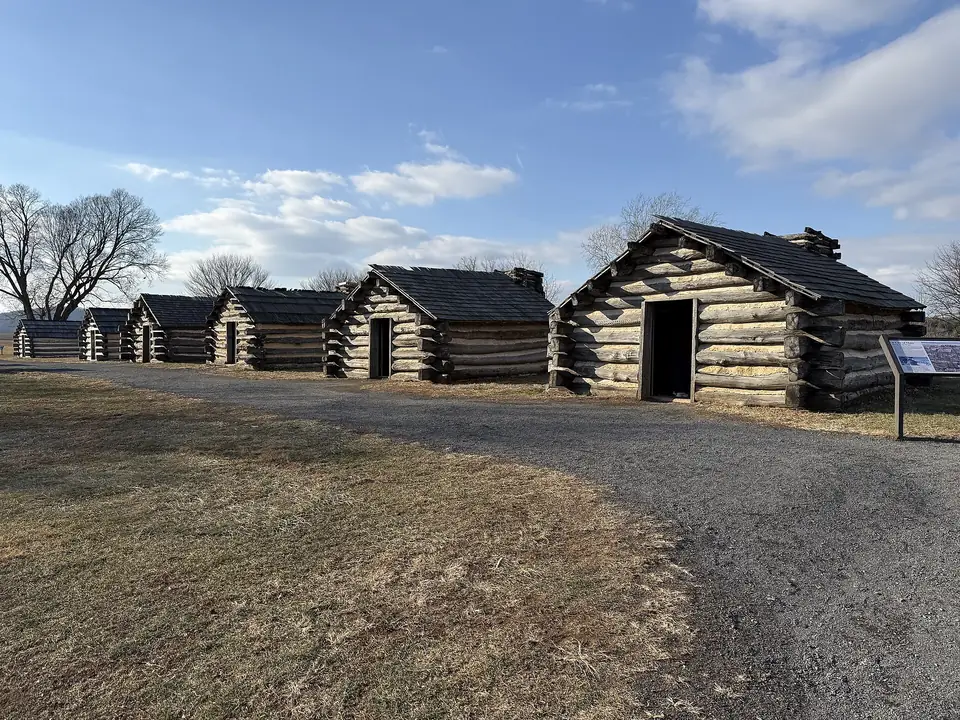
both written in Philadelphia, Washington's army endured the winter of 1777–78 at Valley Forge, and the three days of
fighting at Gettysburg in July 1863 were the bloodiest battle of the Civil War.
The state's later history is here too: iron furnaces and coal-company villages, the railroad that conquered the
Alleghenies at Horseshoe Curve, and houses from William Penn's estate on the Delaware to Frank Lloyd Wright's
Fallingwater. Many smaller sites open only on certain days or in certain seasons, so check before you go.
Our picks
Where to start
National historical park · Philadelphia, Philadelphia County
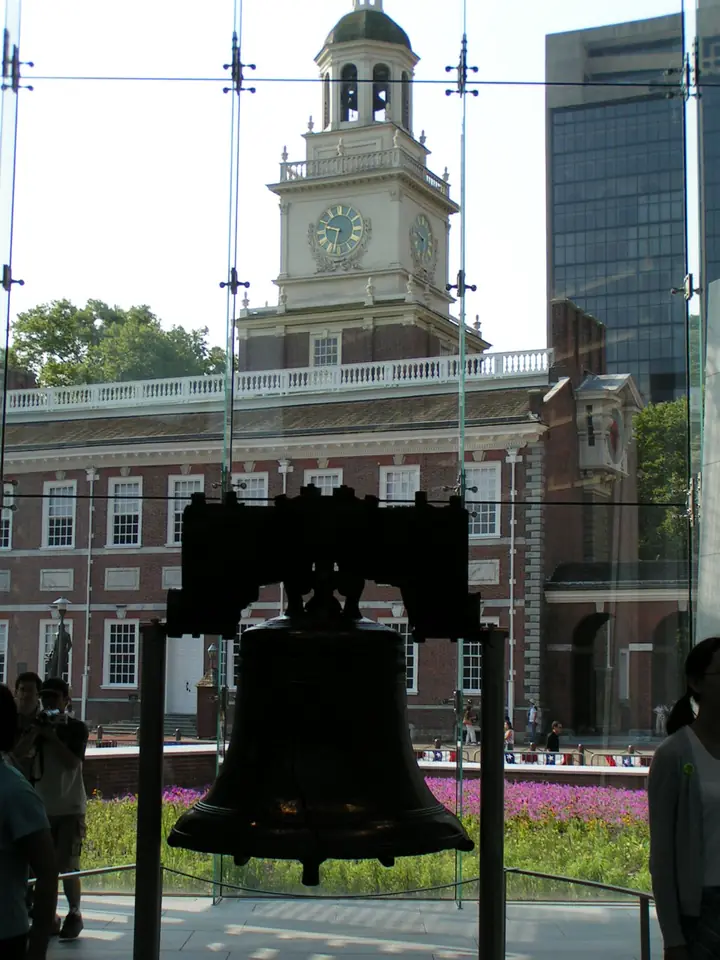
The birthplace of American independence: Independence Hall, where the Declaration and the Constitution were adopted, the Liberty Bell, Congress Hall and blocks of historic buildings.
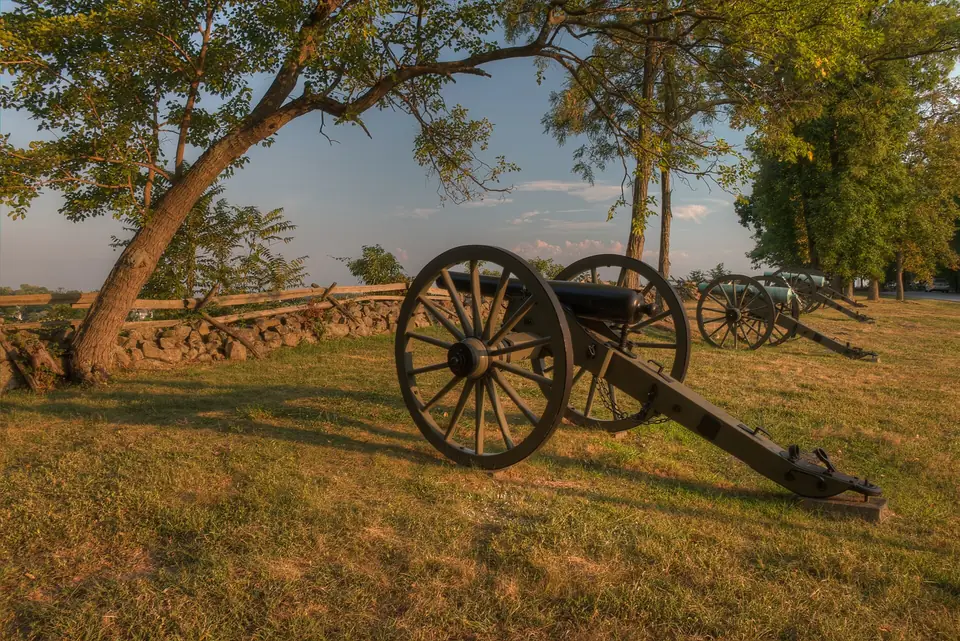
The fields, ridges and woods of the Civil War's bloodiest battle, fought in July 1863, with more than 1,300 monuments, the great cyclorama painting and the cemetery where Lincoln spoke.
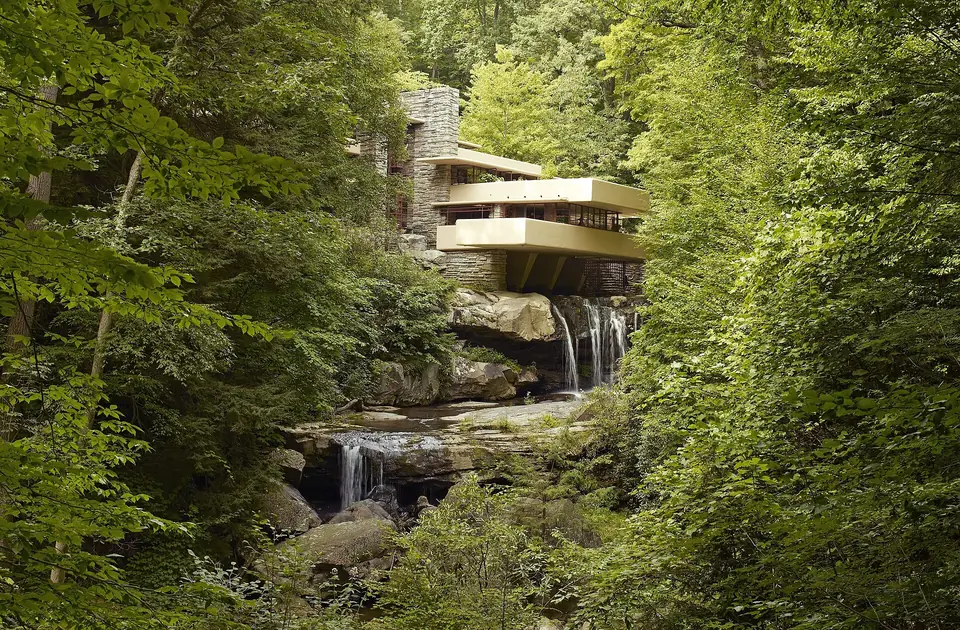
Frank Lloyd Wright's famous house cantilevered over a waterfall on Bear Run, built for the Kaufmann family in the 1930s and now part of a UNESCO World Heritage listing.
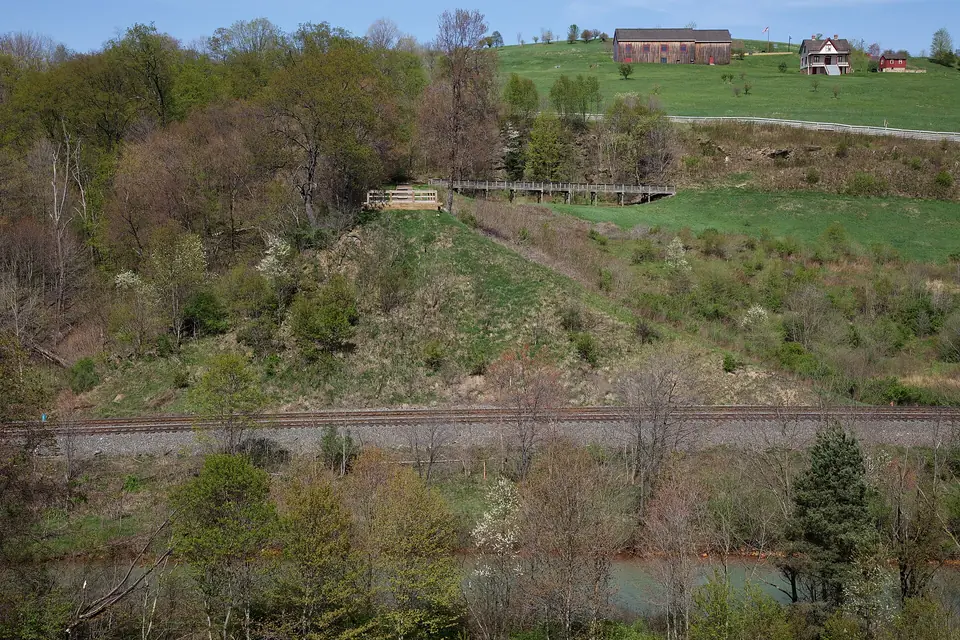
The great 1854 railroad curve that carried the Pennsylvania Railroad over the Alleghenies, still busy with freight trains and viewed from a trackside park reached by funicular.
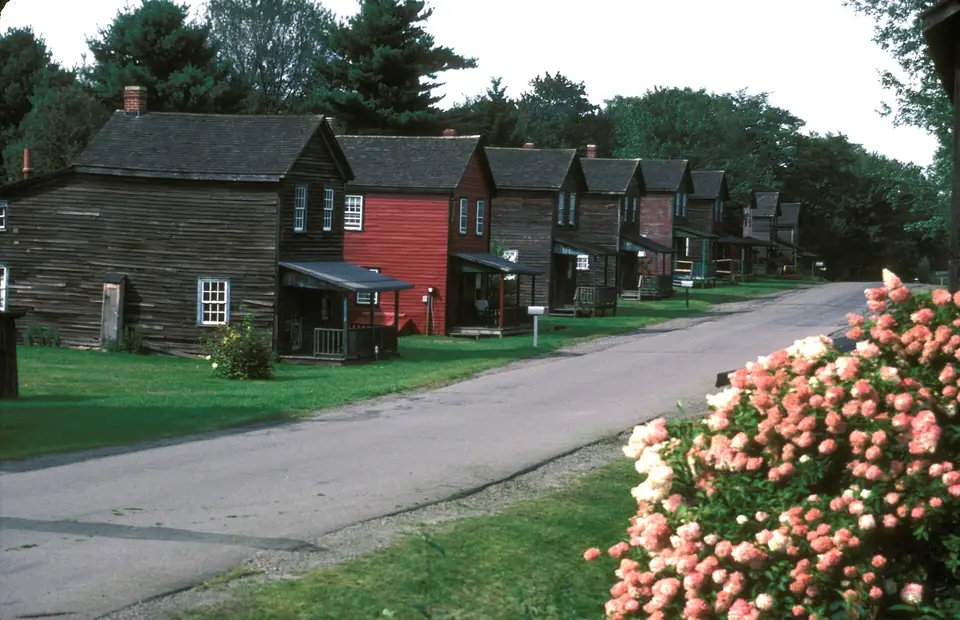
A 19th-century anthracite company town of miners' houses and churches, with a coal breaker built for the 1970 film The Molly Maguires, telling the story of mining families.
Historic park · Upper Makefield Township, Bucks County · 469 acres
The Pennsylvania shore where Washington's army set out across the icy Delaware on Christmas night 1776, with historic buildings and a yearly reenactment.
National military park · Cumberland Township, Adams County
The fields, ridges and woods of the Civil War's bloodiest battle, fought in July 1863, with more than 1,300 monuments, the great cyclorama painting and the cemetery where Lincoln spoke.
Historic house and sanctuary · Lower Providence Township, Montgomery County
The first American home of John James Audubon, now a museum of his bird art set amid woods, meadows and trails along Perkiomen Creek that are rich in birdlife.
National historic site · Juniata Township, Blair County
Remains of the 1830s railroad that hauled canal boats over the Allegheny Mountains on inclined planes, with a historic tavern, trails and the first railroad tunnel in the country.
History museum · Cherrytree Township, Venango County
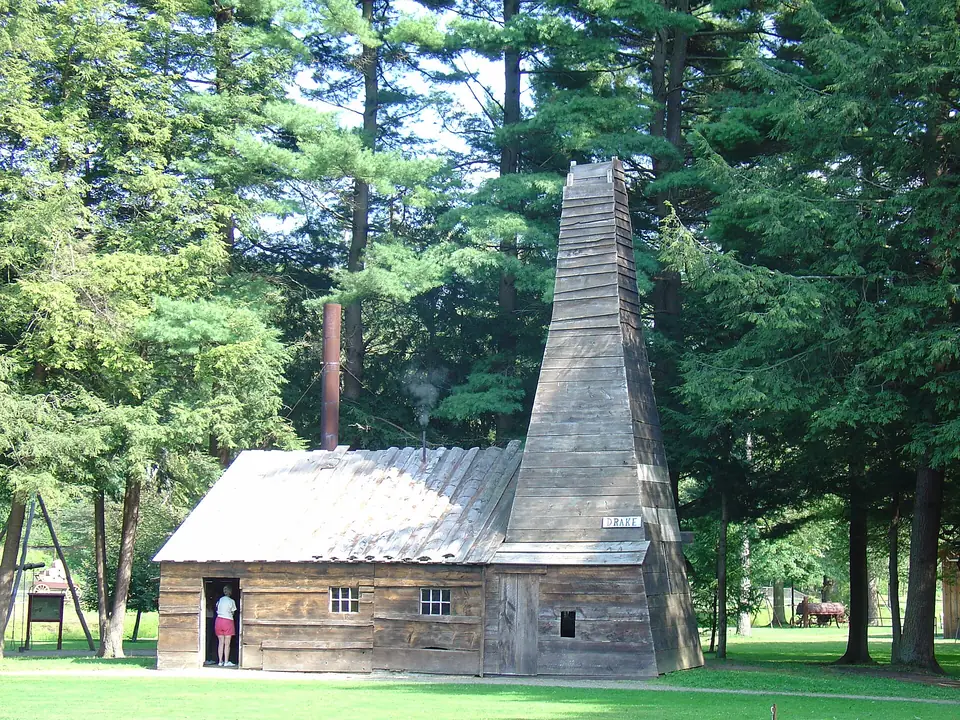
The spot where Edwin Drake struck oil in 1859 and launched the modern petroleum industry, with a replica engine house and derrick, an oil-history museum and trails along Oil Creek.
National memorial · Stonycreek Township, Somerset County
A memorial on the field where Flight 93 came down on September 11, 2001, with a visitor center overlooking the crash site, a wall of names and the 93-foot Tower of Voices.
National battlefield · Wharton Township, Fayette County
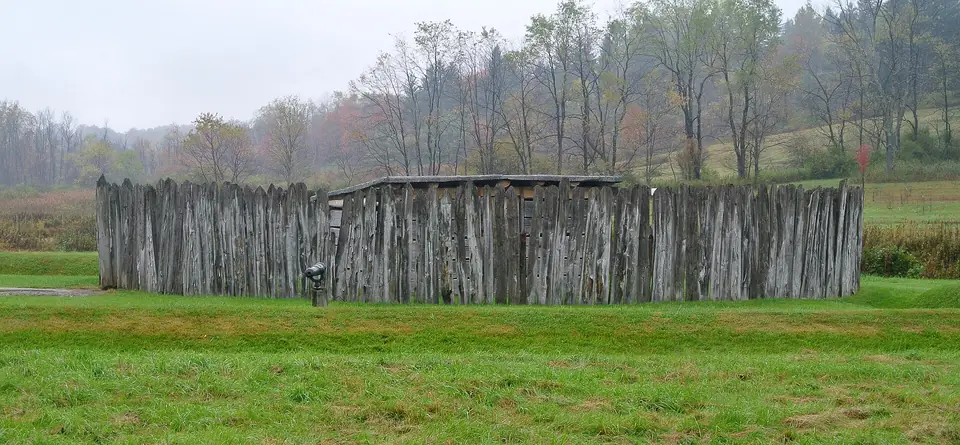
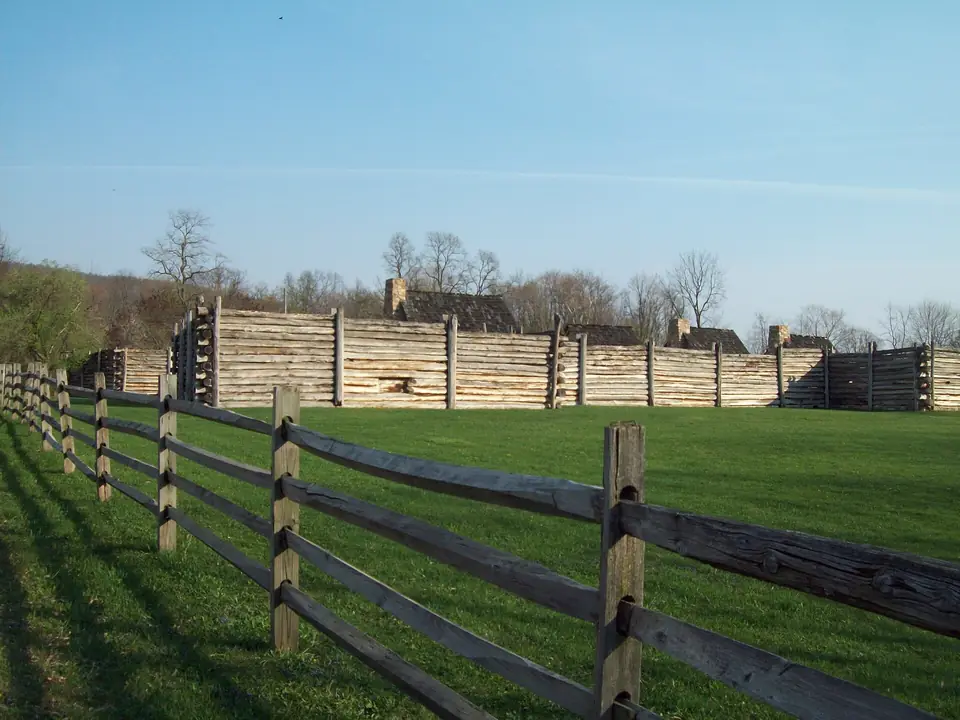
A reconstructed round stockade in a mountain meadow where young George Washington fought his first battle in 1754, opening the French and Indian War, with a visitor center and trails.
The great 1854 railroad curve that carried the Pennsylvania Railroad over the Alleghenies, still busy with freight trains and viewed from a trackside park reached by funicular.
National historical park · Philadelphia, Philadelphia County
The birthplace of American independence: Independence Hall, where the Declaration and the Constitution were adopted, the Liberty Bell, Congress Hall and blocks of historic buildings.
Farm museum · East Lampeter Township, Lancaster County
A Lancaster County farm presented as an Amish homestead, with guided tours of an 1805 farmhouse, a one-room schoolhouse, barnyard animals, and bus tours of the surrounding countryside.
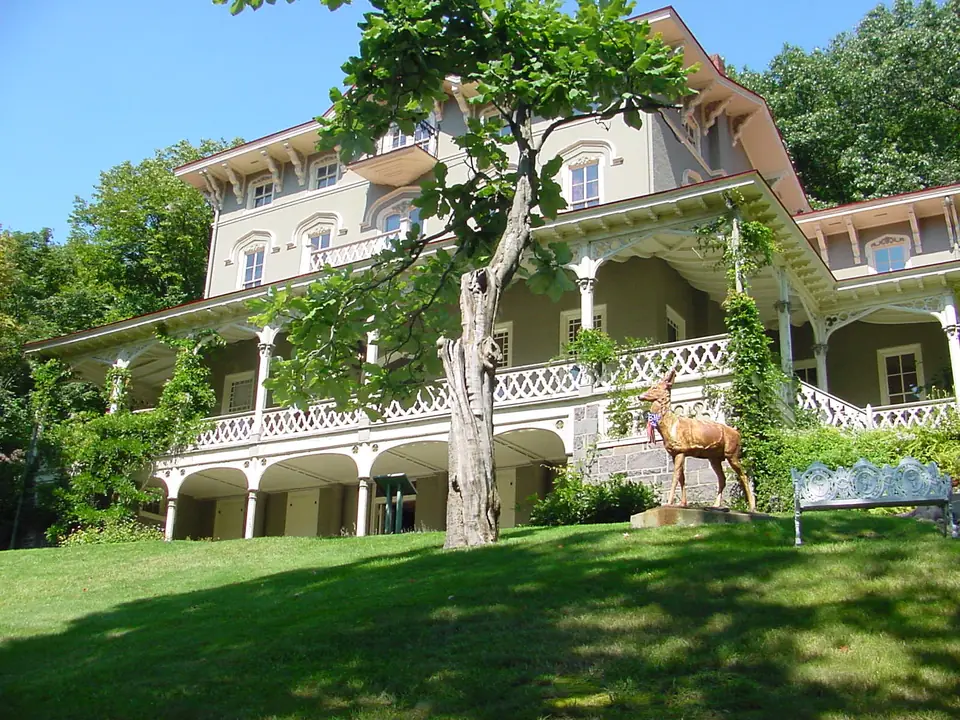
The 1861 Italianate mansion of railroad magnate Asa Packer, founder of Lehigh University, on a hillside above town, with much of its original furniture in place.
Historic house · Philadelphia, Philadelphia County
The small colonial house associated with Betsy Ross, the upholsterer said to have sewn the first Stars and Stripes, with period rooms and a costumed interpreter.
State historic site · Penn Township, Westmoreland County
The wooded hilltop where British troops under Henry Bouquet fought off a Native American attack in 1763, during Pontiac's War, with a visitor center and walking trails.
State historic site · Heidelberg Township, Berks County
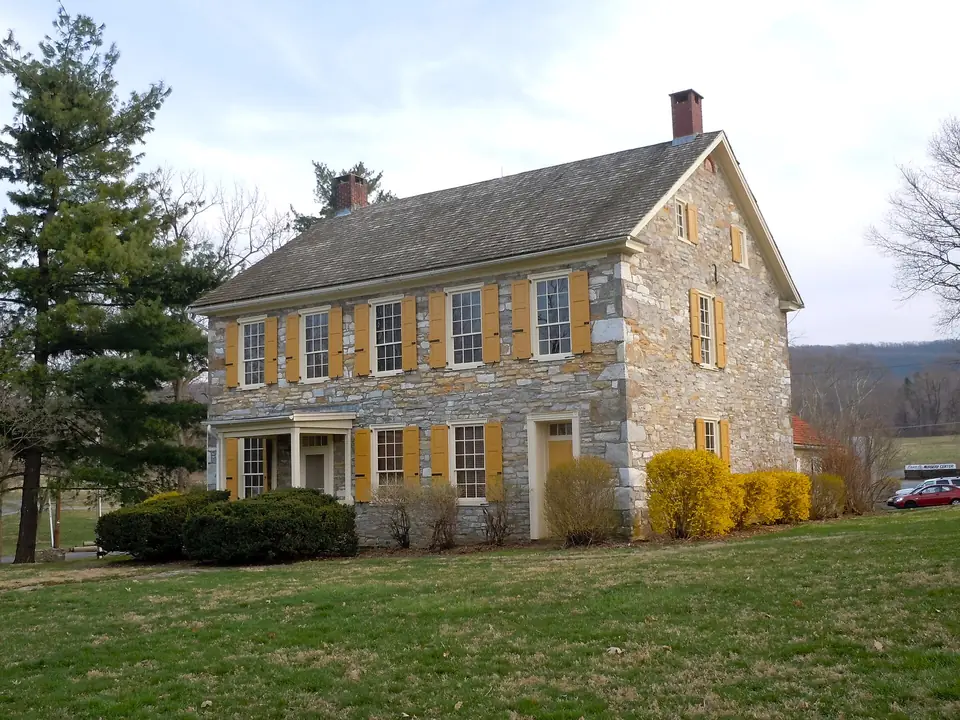
The farm of Conrad Weiser, the colonial interpreter who brokered Pennsylvania's dealings with the Iroquois, with his 18th-century stone house and grave in a park landscaped by the Olmsted Brothers.
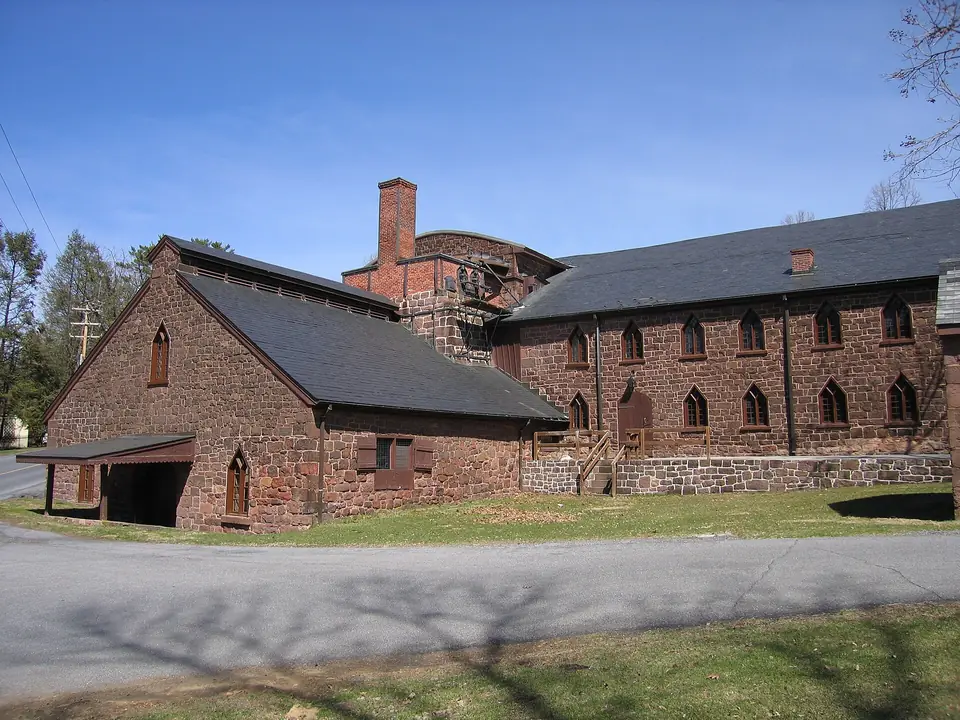
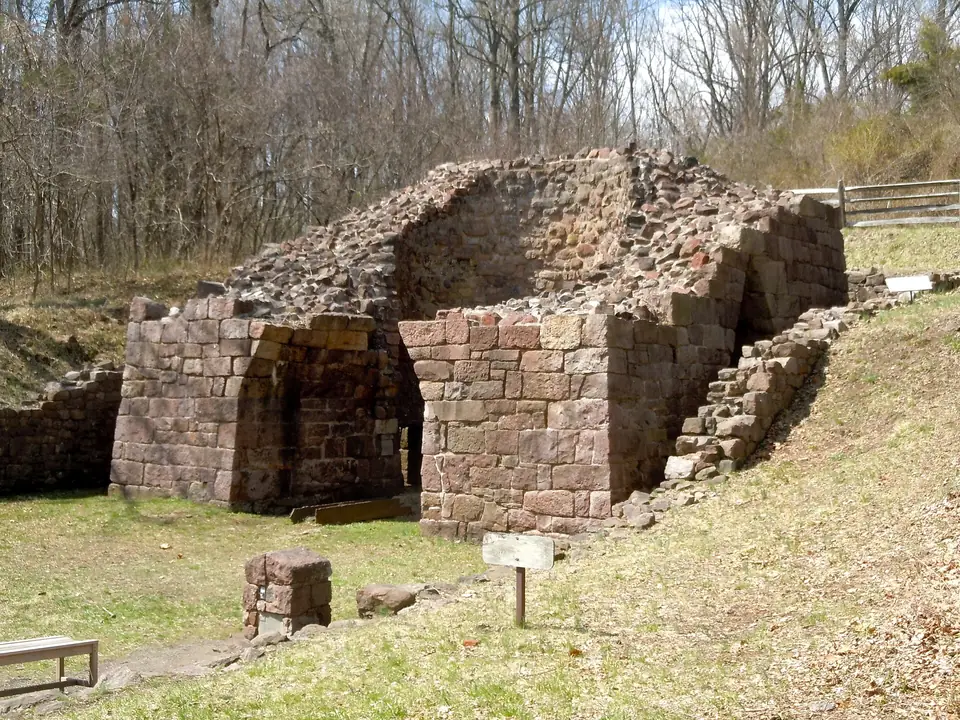
A charcoal-fired ironworks that ran from 1742 to 1883 and survives almost intact, with its stone furnace stack, a giant steam-driven blowing engine and Gothic Revival buildings.
State historic site · Exeter Township, Berks County
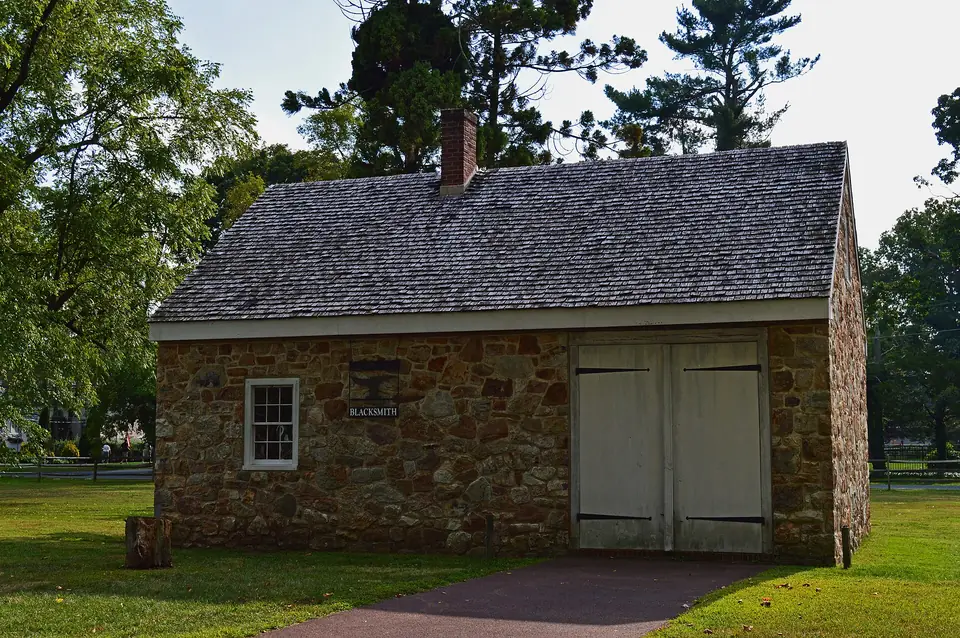
Frontiersman Daniel Boone was born here in 1734; the farm keeps the stone Boone house, a log house, barn, smithy and sawmill, with trails around a small lake.
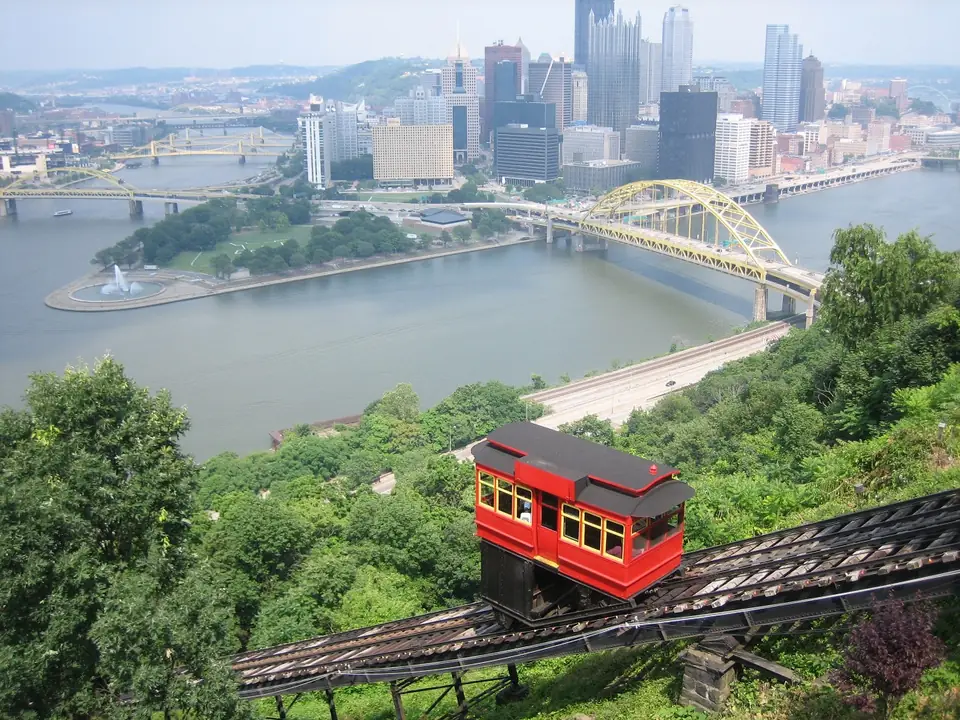
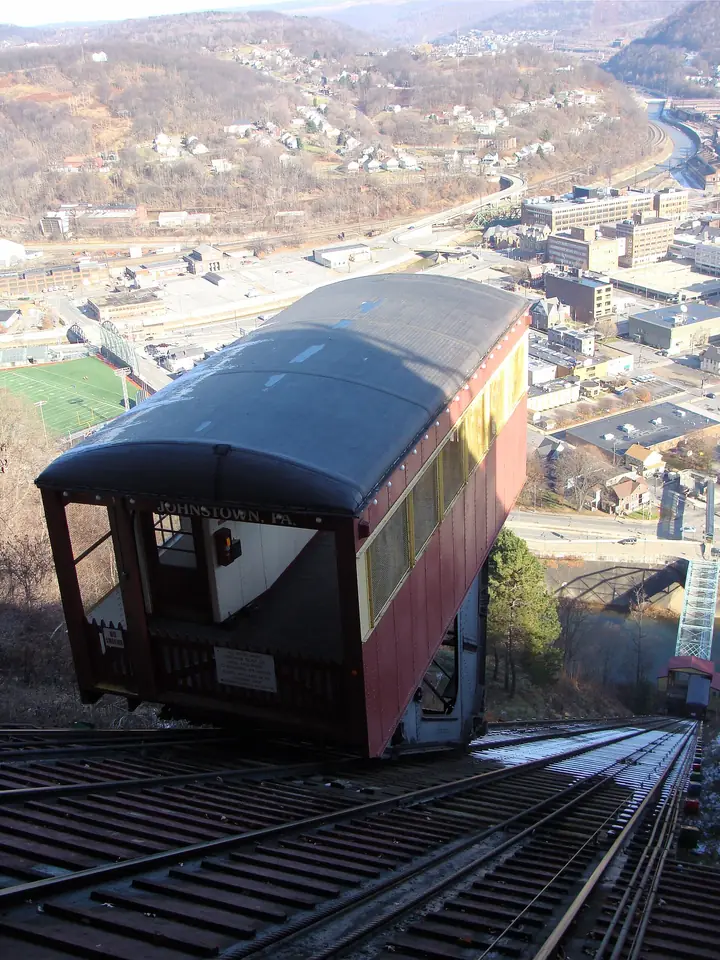
A cable railway of 1877 climbing Mount Washington in its original wooden cars, with an observation deck looking straight down onto the rivers, the Point and downtown.
A three-foot-gauge railroad from the 1870s brought back to life, with steam excursions from Rockhill and an unusually complete set of old shops, roundhouse and yards.
Home of a celibate religious community founded in 1732, whose steep-roofed, medieval-looking wooden buildings, narrow halls and plank beds recall a life of devotion, music and ornate calligraphy.
Historic waterworks · Philadelphia, Philadelphia County
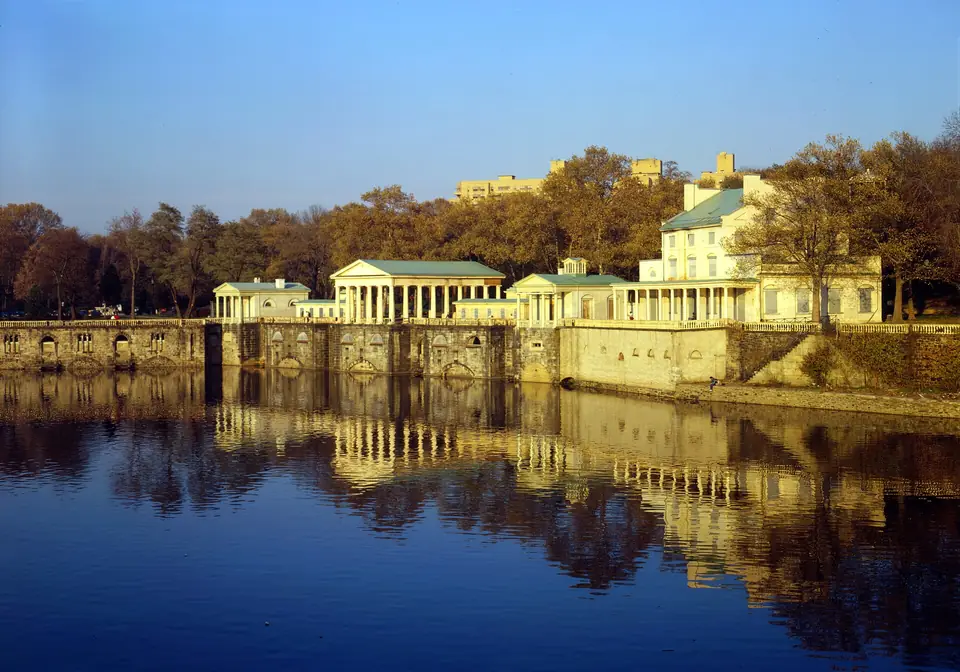
Classical temples on the Schuylkill below the art museum that once pumped the city's water, now an interpretive center about the river and its watershed, beside Boathouse Row.
Historic house · Doylestown Township, Bucks County
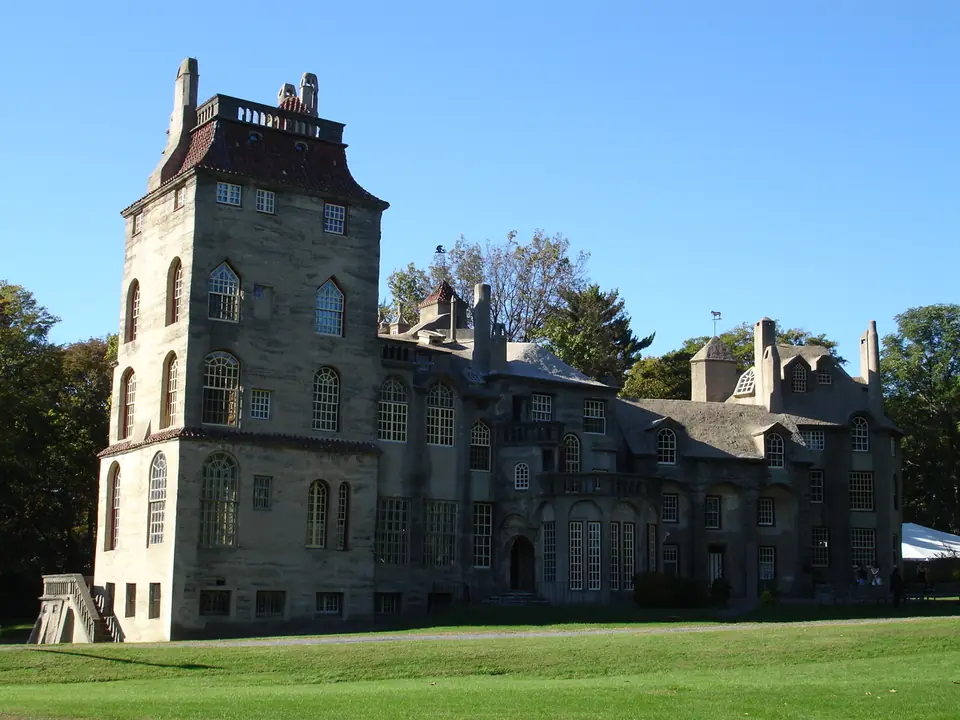
Henry Chapman Mercer's eccentric poured-concrete castle, a warren of 44 rooms built between 1908 and 1912 and studded with tiles from his own works and from around the world.
Historic house and park · Susquehanna Township, Dauphin County
A Federal-style stone mansion on the site of a French and Indian War fort, set in riverside parkland along the Susquehanna with traces of the Pennsylvania Canal and a rebuilt covered bridge.
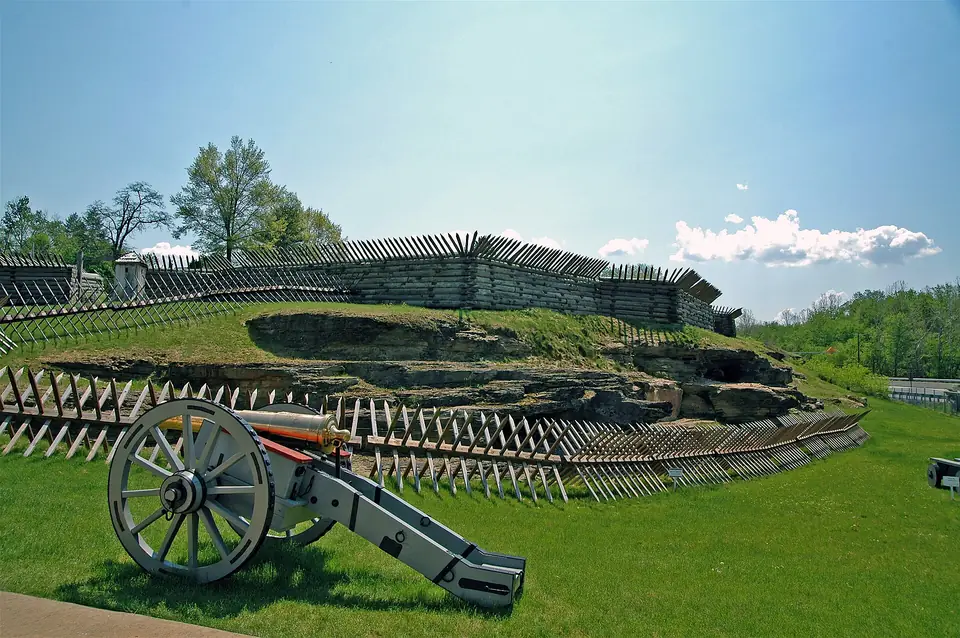
A full-scale reconstruction of the British fort built in 1758 during the Forbes campaign, with earthworks, cannon and a museum of French and Indian War artifacts.
National historic site · Springhill Township, Fayette County
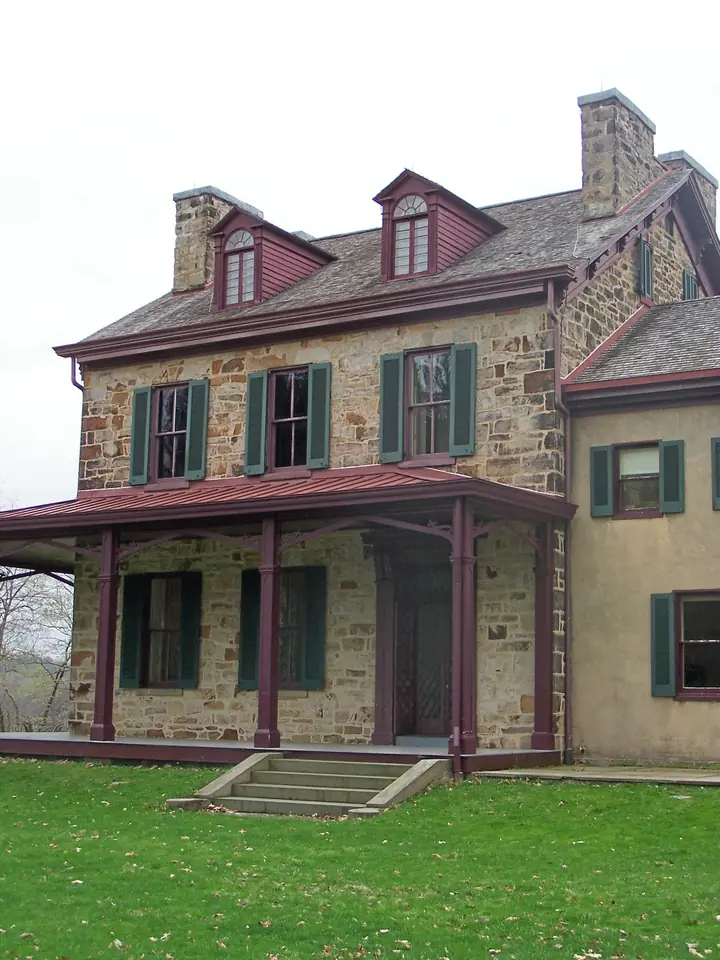
The country home of Albert Gallatin, Treasury secretary to Jefferson and Madison, on a bluff above the Monongahela River, with woodland trails and river views.
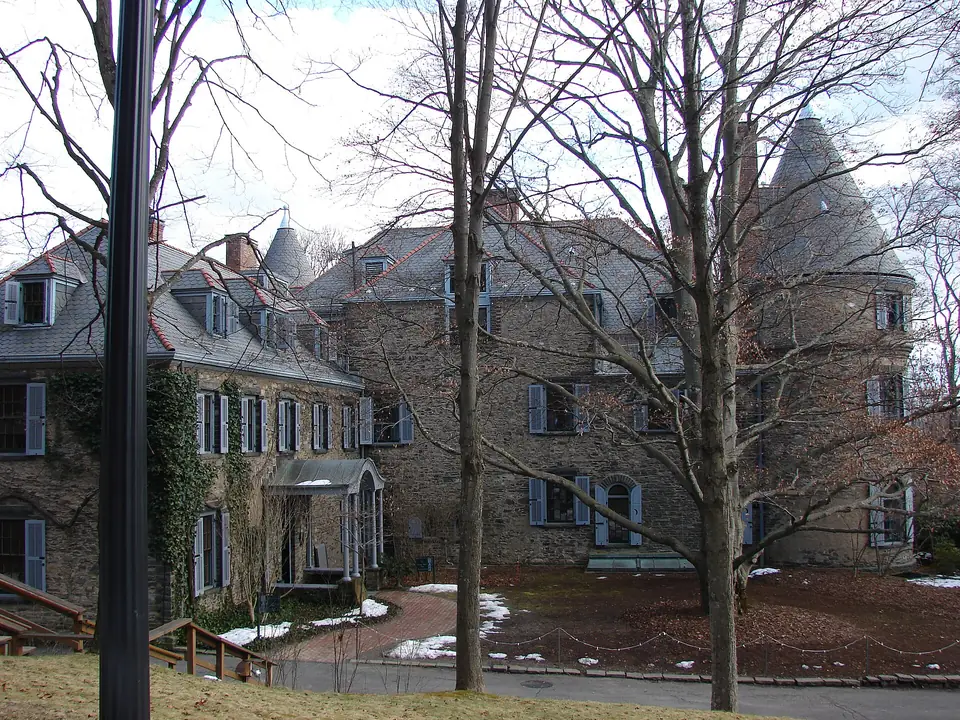
The château-style summer home of Gifford Pinchot, first chief of the U.S. Forest Service and two-term governor, with terraced gardens and views over the Delaware Valley.
Historic house · West Lampeter Township, Lancaster County
Built by Mennonite settlers in 1719 and thought to be the oldest building in Lancaster County, a stout stone farmhouse with exhibits on early Mennonite life and a re-created Native longhouse.
National historic site · Warwick Township, Berks County
Deep in the woods next to French Creek State Park, a restored 19th-century iron-making village with a charcoal blast furnace, the ironmaster's mansion and workers' houses.
National memorial · Adams Township, Cambria County
The remains of the South Fork Dam, whose collapse on May 31, 1889 unleashed the flood that killed more than 2,200 people downstream, with a visitor center telling the story.
Built in 1891, after the great flood, as an escape route to high ground, a steep funicular big enough to carry cars, topped by an overlook of the city.
Historic house · Northumberland, Northumberland County
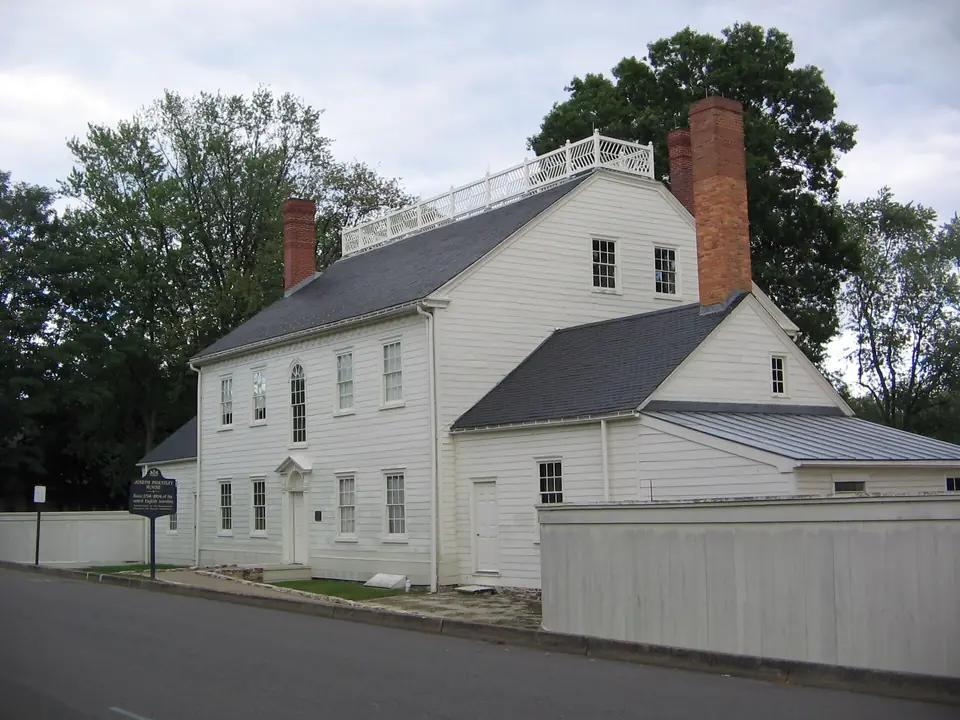
The riverside home and laboratory of Joseph Priestley, the English chemist credited with discovering oxygen, who settled here after emigrating in 1794.
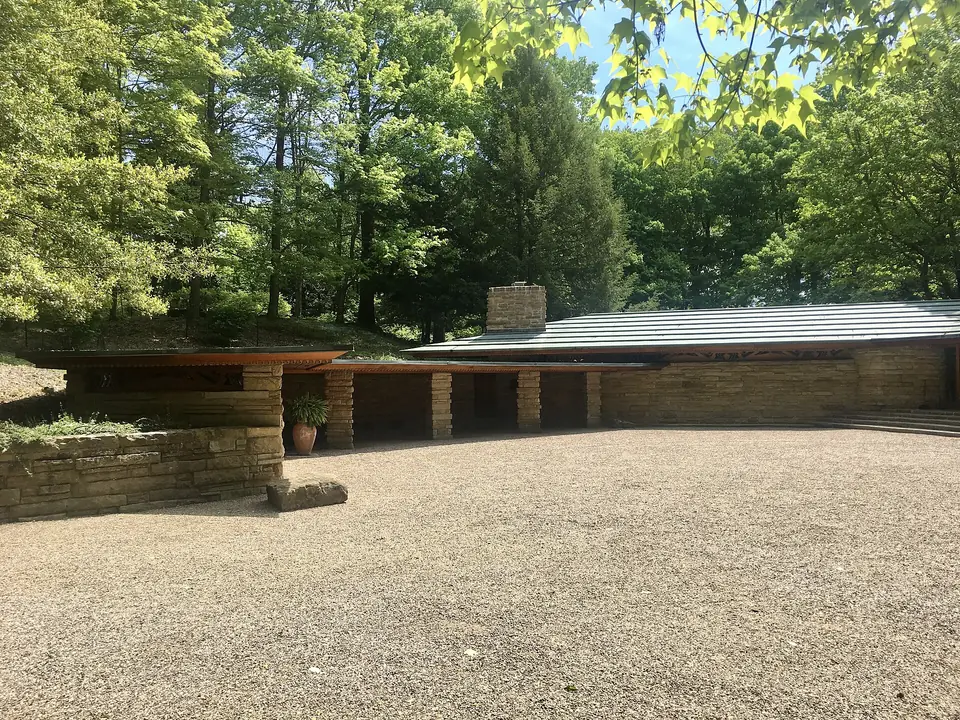
Built of native stone and cypress and tucked into a hillside a few miles from Fallingwater, a later Frank Lloyd Wright house with a woodland sculpture meadow on the grounds.
Living history museum · Manheim Township, Lancaster County
Pennsylvania German rural life, shown in a village of historic homes, shops and farm buildings where costumed interpreters demonstrate old crafts and tend heirloom gardens and livestock.
Archaeological site · Jefferson Township, Washington County
A rock overhang holding some of the oldest evidence of people in North America, with a re-created 16th-century Indian village and a 19th-century rural village.
State historic site · Falls Township, Bucks County
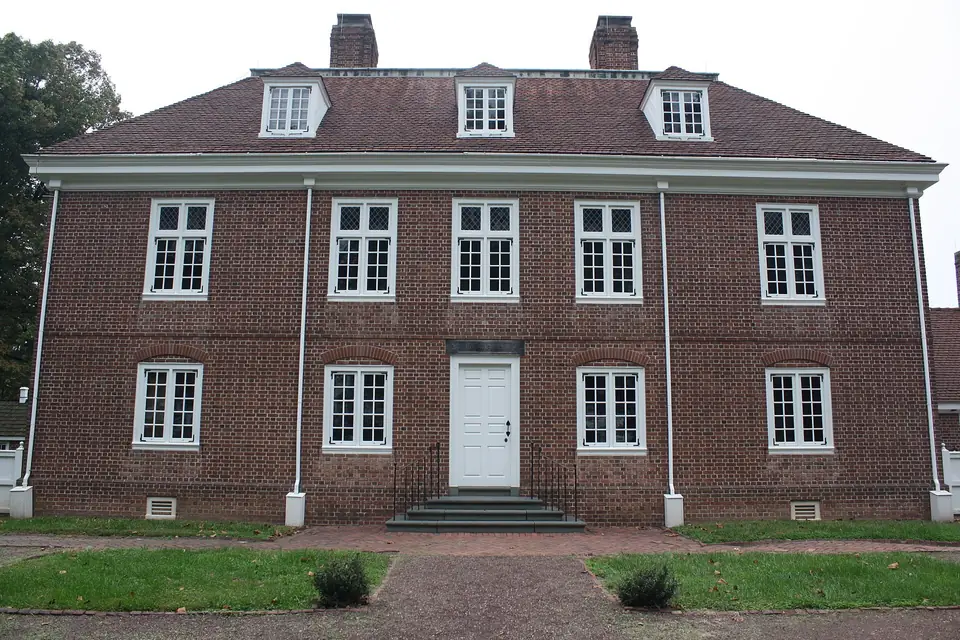
William Penn's country estate on the Delaware River, with a 1930s re-creation of his manor house, gardens, outbuildings, farm animals and demonstrations of 17th-century life.
National historic site · Scranton, Lackawanna County
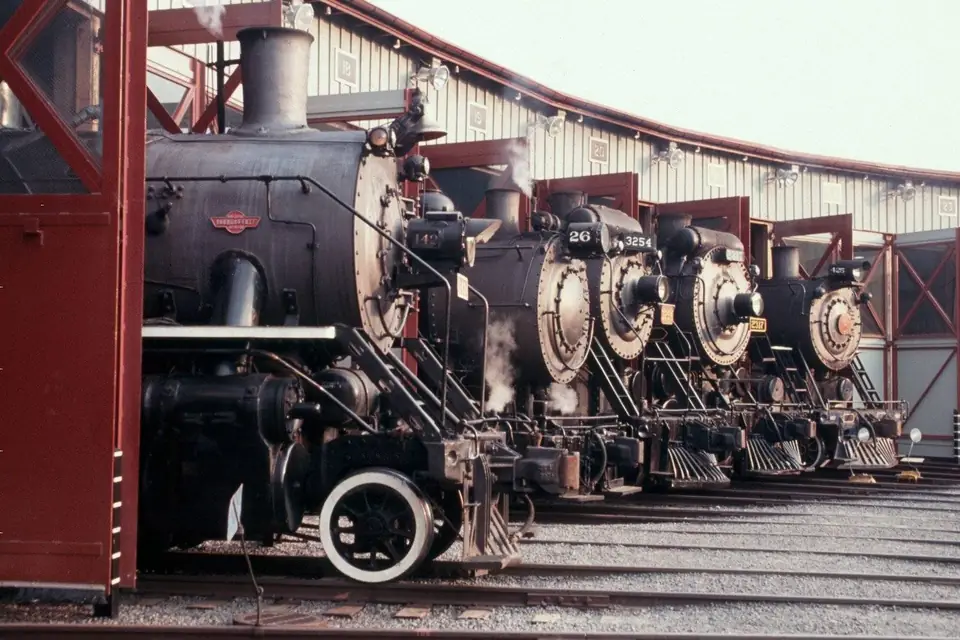
A historic rail yard where steam locomotives fill a working roundhouse, with museums of railroading and a Union Pacific Big Boy among the giants on display.
Historic village · East Huntingdon Township, Westmoreland County
A 19th-century distilling village where Old Overholt rye whiskey began and industrialist Henry Clay Frick was born, with museums in its old brick and stone buildings.
Historic Site · Cheltenham Township, Montgomery County
Frank Lloyd Wright's only synagogue, a soaring translucent pyramid meant to evoke Mount Sinai, completed in 1959 and still home to an active congregation that offers tours.
State historic site · Chadds Ford Township, Delaware County
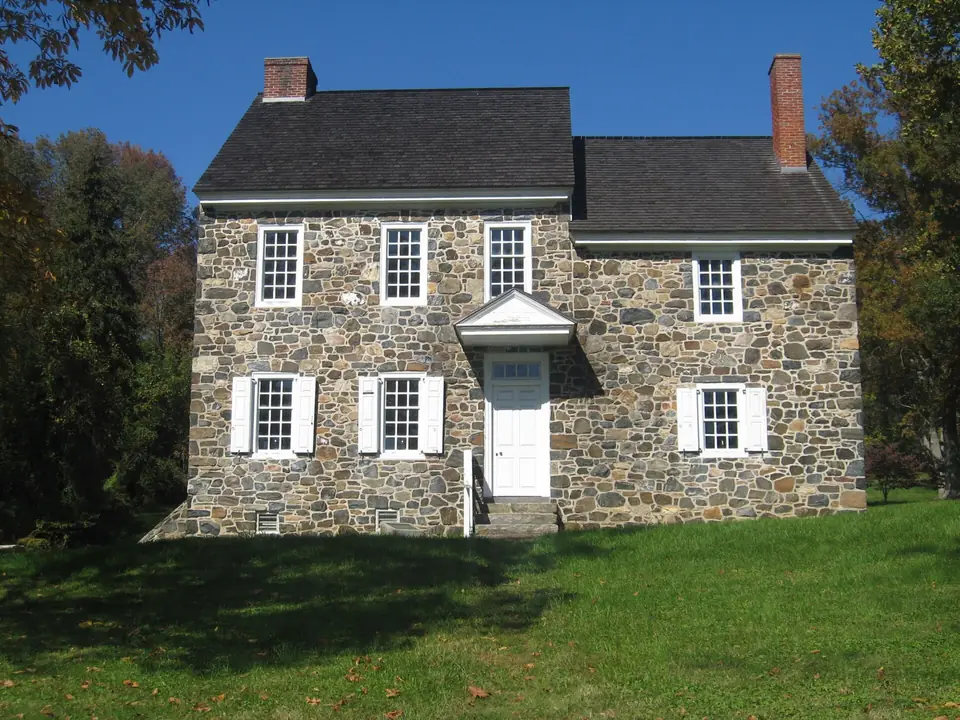
Part of the ground of the 1777 Battle of Brandywine, one of the largest battles of the Revolution, with the farmhouses used as quarters by Washington and Lafayette.
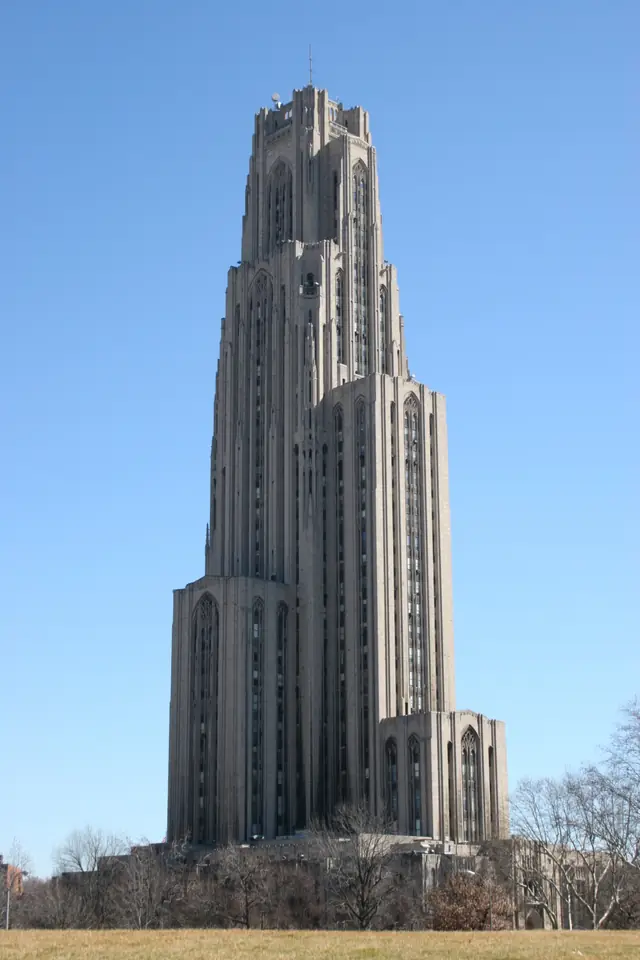
Rising 42 stories at the heart of the university campus, a Gothic skyscraper with a vaulted stone Commons Room and the Nationality Rooms, classrooms styled after cultures worldwide.
Historic house · Philadelphia, Philadelphia County
Benjamin Chew's Germantown country house, held by British troops against Washington's attack in the Battle of Germantown in 1777, now a house museum of the National Trust.
A towering 1859 stone mansion in Germantown furnished in high Victorian style, with restored period gardens and exhibits on mid-19th-century domestic life.
National historic site · Philadelphia, Philadelphia County
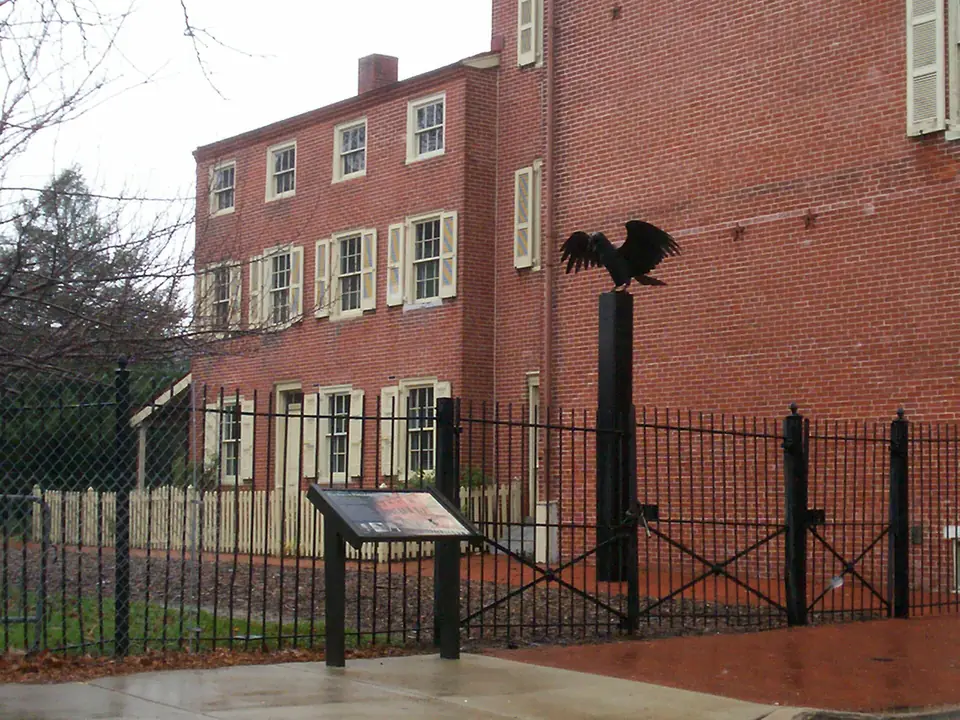
The brick house where Edgar Allan Poe lived in the early 1840s, the only one of his city homes to survive, including a cellar that recalls his story The Black Cat.
National historic site · Cumberland Township, Adams County
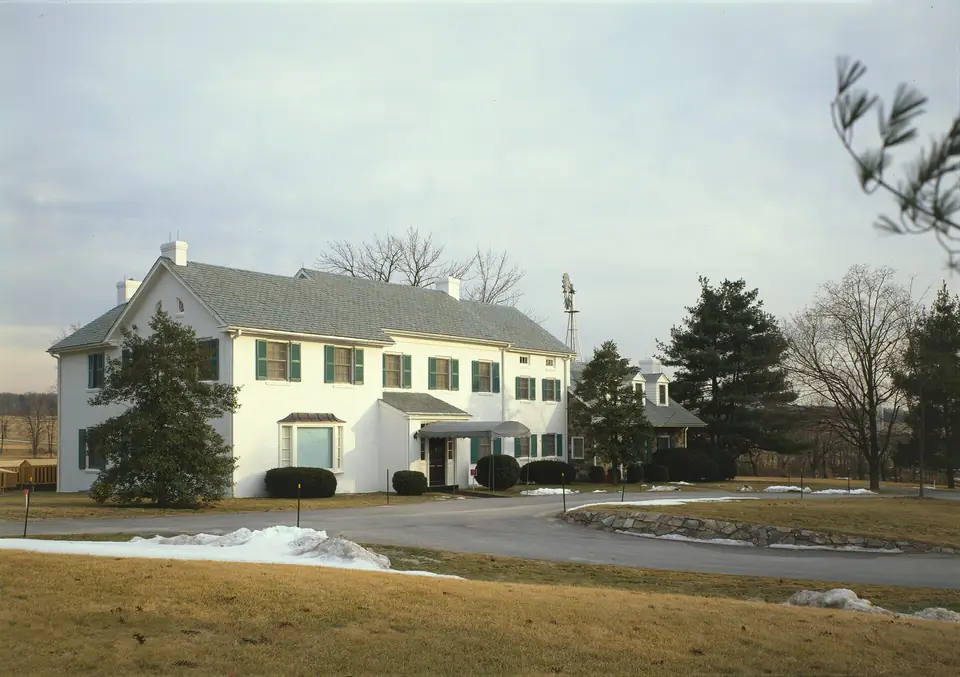
Dwight and Mamie Eisenhower's farm beside the Gettysburg battlefield, the only home they ever owned, where Ike relaxed, raised Angus cattle and entertained world leaders.