Pennsylvania's two great cities each have museums worth a trip on their own. Philadelphia has the Philadelphia Museum of
Art at the top of its famous steps, the Barnes Foundation's remarkable collection of Impressionist and early modern
paintings, and the Franklin Institute for hands-on science. Pittsburgh has the Carnegie museums, with their dinosaurs,
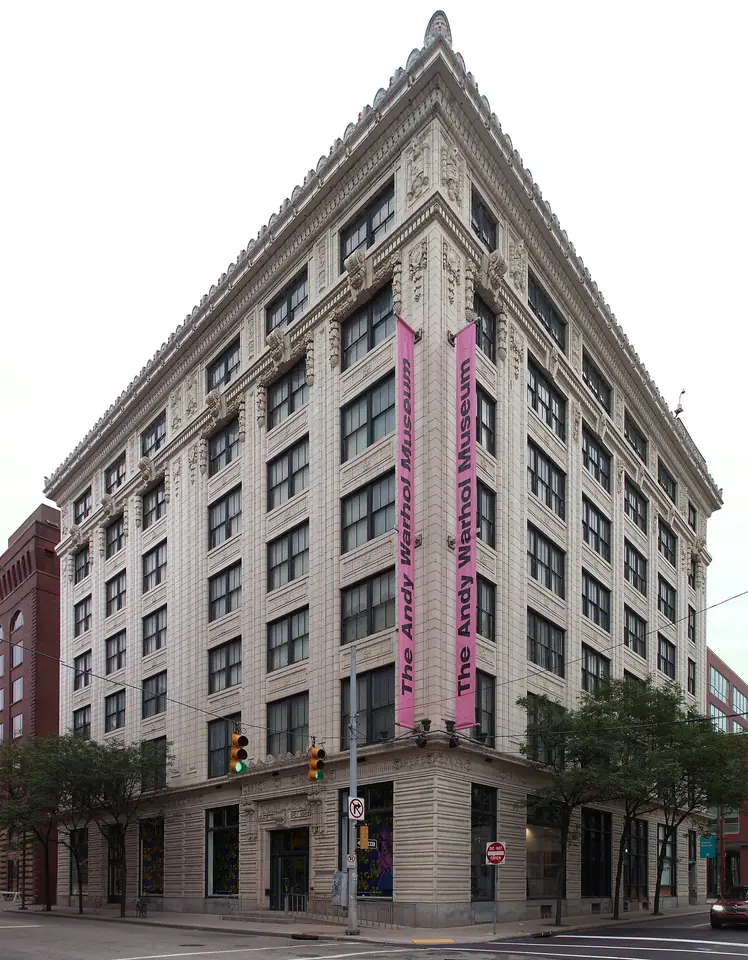
and a whole museum given over to Andy Warhol.
Elsewhere, the museums tell the story of a working state: steam locomotives at Steamtown and the Railroad Museum of
Pennsylvania, steel in Bethlehem, coal mines you can go down into near Scranton, oil at Titusville and lumber in the
northern forests. Most make an easy half-day, and many smaller ones keep limited hours, so check before you go.
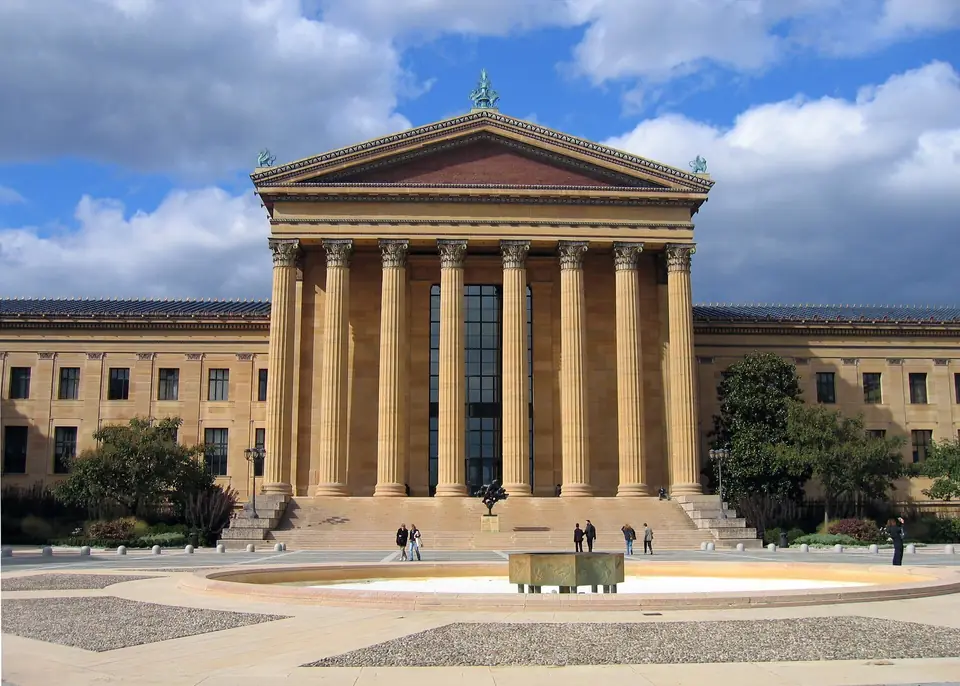
Climb the famous Rocky Steps to a vast temple of art, with masterpieces from Van Gogh's Sunflowers to Duchamp, a medieval cloister and a Japanese teahouse inside.
Dinosaurs posed in lifelike scenes, among them Dippy the Diplodocus and the first Tyrannosaurus rex ever described, plus a dazzling hall of minerals and gems.
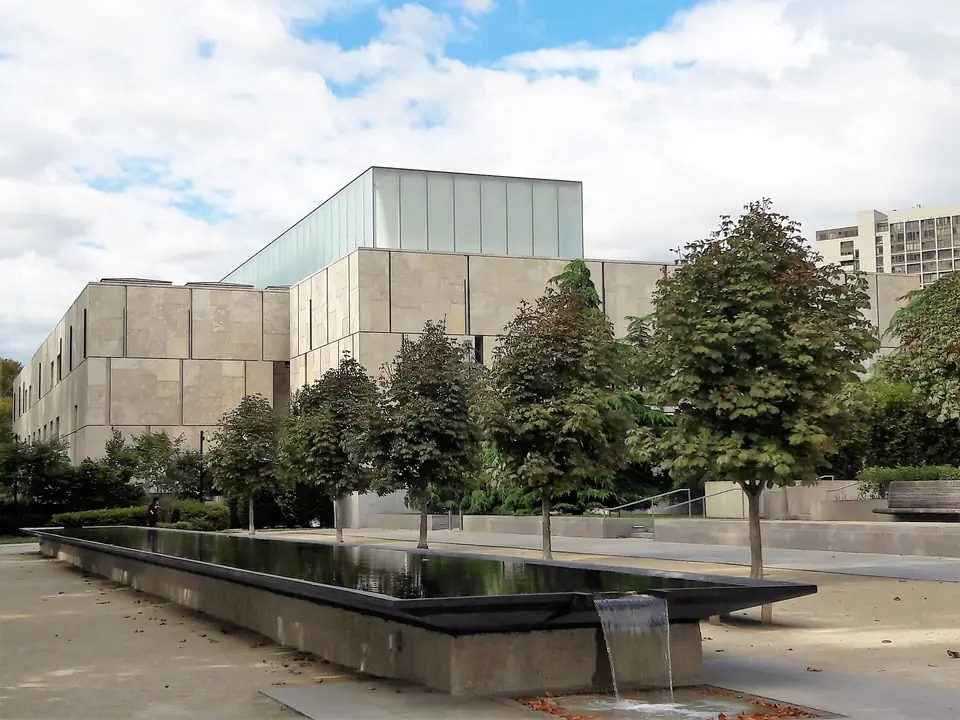
Albert Barnes's extraordinary collection of Impressionist and Post-Impressionist paintings by Renoir, Cezanne, Matisse and more, hung as he arranged it.
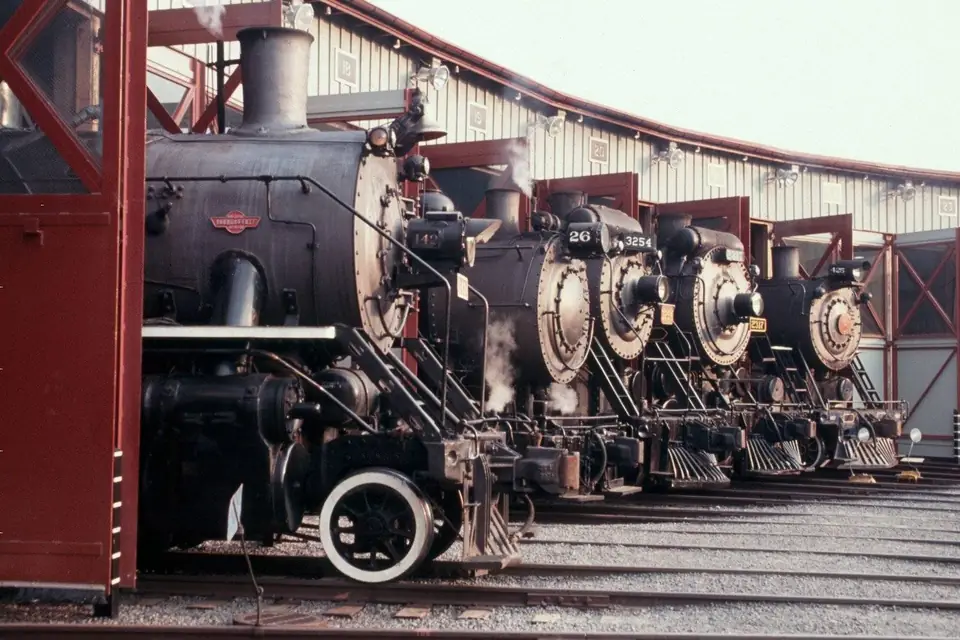
A historic rail yard where steam locomotives fill a working roundhouse, with museums of railroading and a Union Pacific Big Boy among the giants on display.
More than 100 historic locomotives and railcars, many gleaming under one vast roof, trace the story of railroading in Pennsylvania, across the road from a working steam railroad.
History museum · Cherrytree Township, Venango County
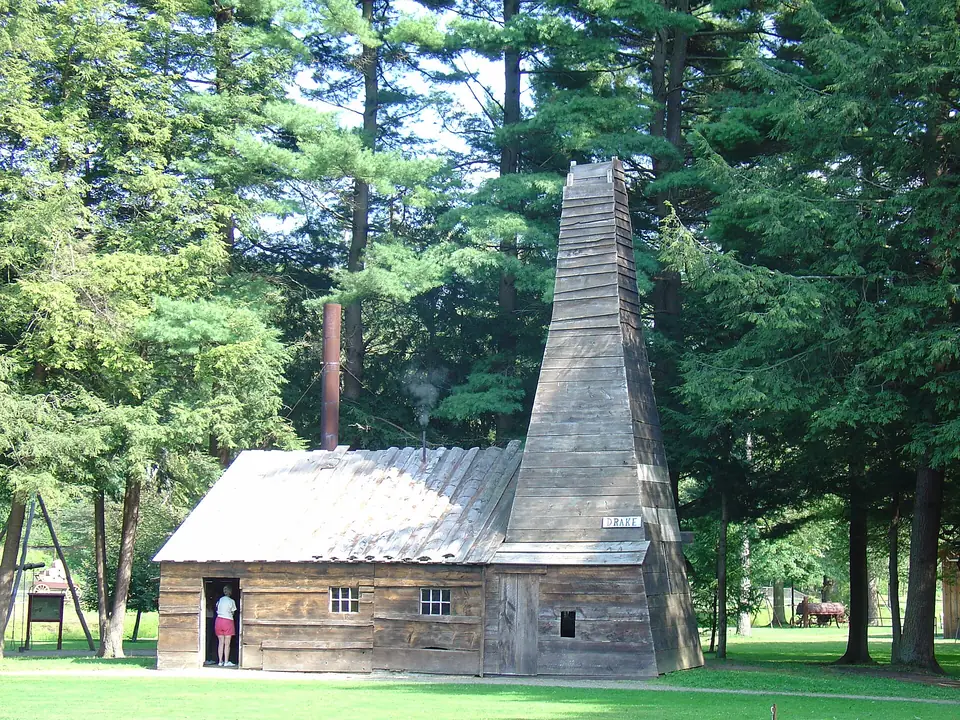
The spot where Edwin Drake struck oil in 1859 and launched the modern petroleum industry, with a replica engine house and derrick, an oil-history museum and trails along Oil Creek.
National historical park · Philadelphia, Philadelphia County
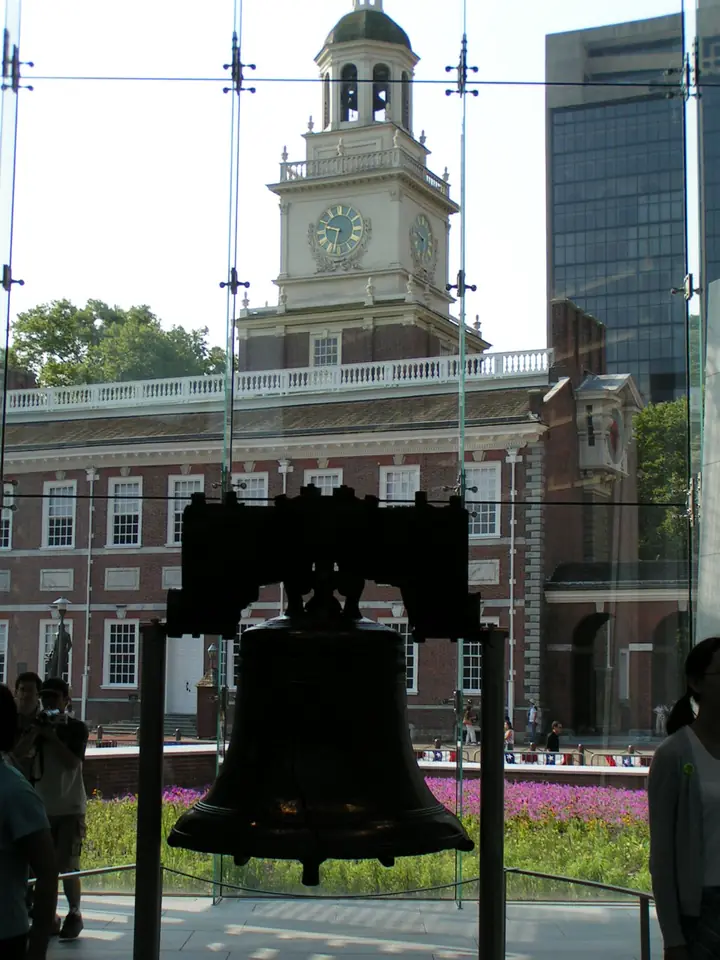
The birthplace of American independence: Independence Hall, where the Declaration and the Constitution were adopted, the Liberty Bell, Congress Hall and blocks of historic buildings.
Art, natural science and ancient civilizations under one roof, plus a planetarium and an arboretum with paths winding around the museum's landscaped grounds.
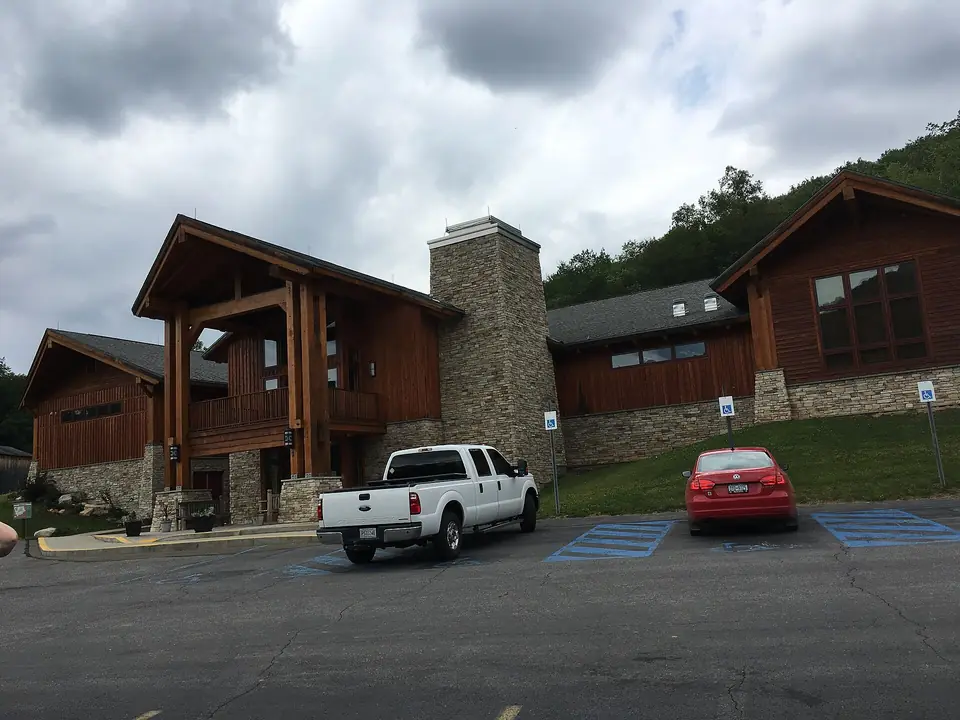
The gateway to Presque Isle, with exhibits on the peninsula's dunes, wetlands and Lake Erie ecology, and an observation tower with views over the bay and lake.
Farm museum · East Lampeter Township, Lancaster County
A Lancaster County farm presented as an Amish homestead, with guided tours of an 1805 farmhouse, a one-room schoolhouse, barnyard animals, and bus tours of the surrounding countryside.
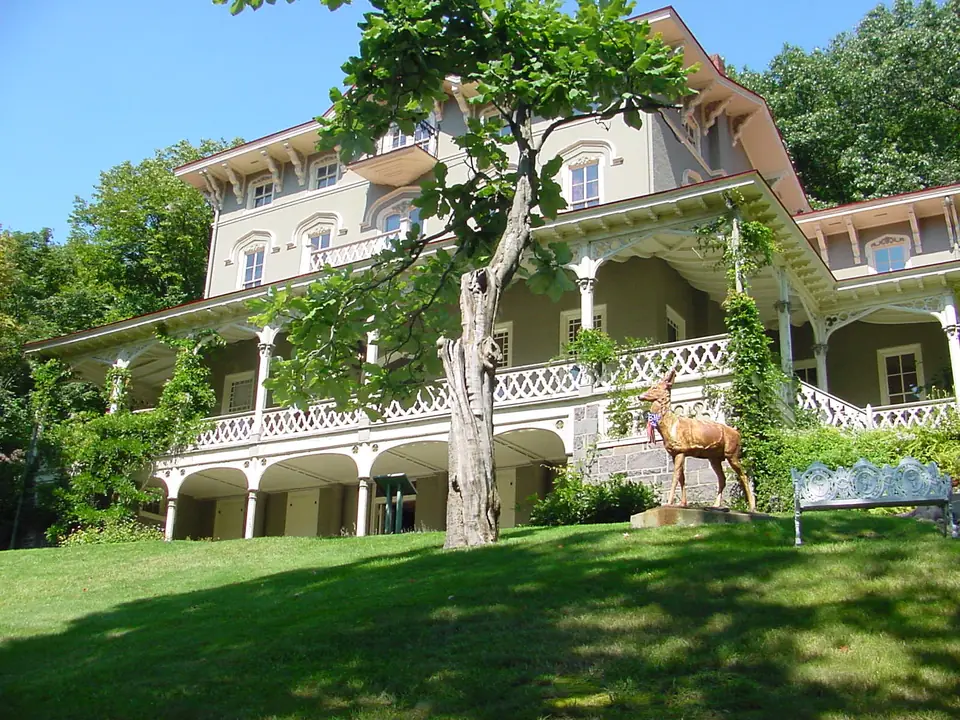
The 1861 Italianate mansion of railroad magnate Asa Packer, founder of Lehigh University, on a hillside above town, with much of its original furniture in place.
Historic house · Philadelphia, Philadelphia County
The small colonial house associated with Betsy Ross, the upholsterer said to have sewn the first Stars and Stripes, with period rooms and a costumed interpreter.
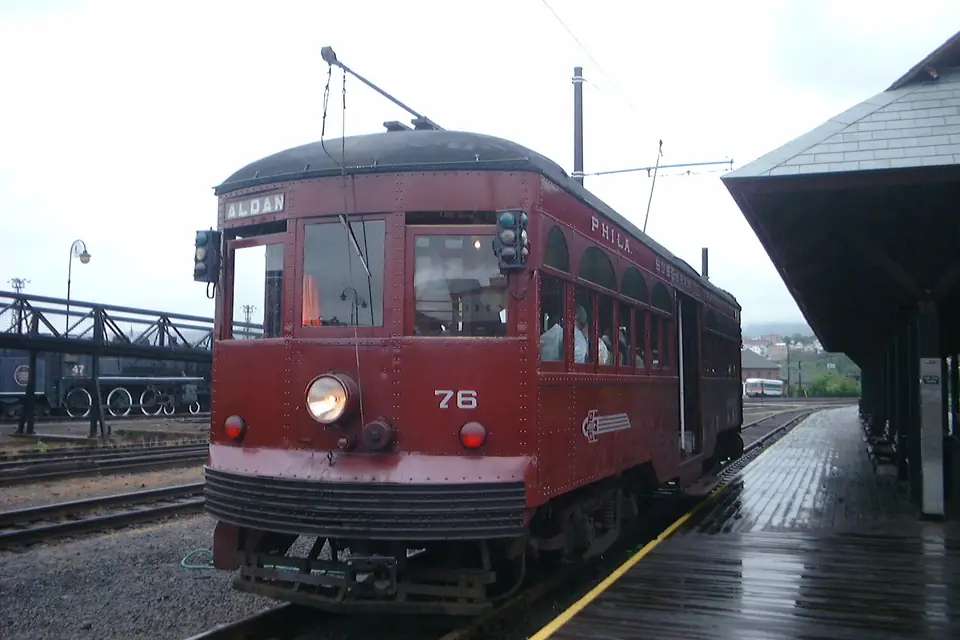
A three-foot-gauge railroad from the 1870s brought back to life, with steam excursions from Rockhill and an unusually complete set of old shops, roundhouse and yards.
Historic house · Doylestown Township, Bucks County
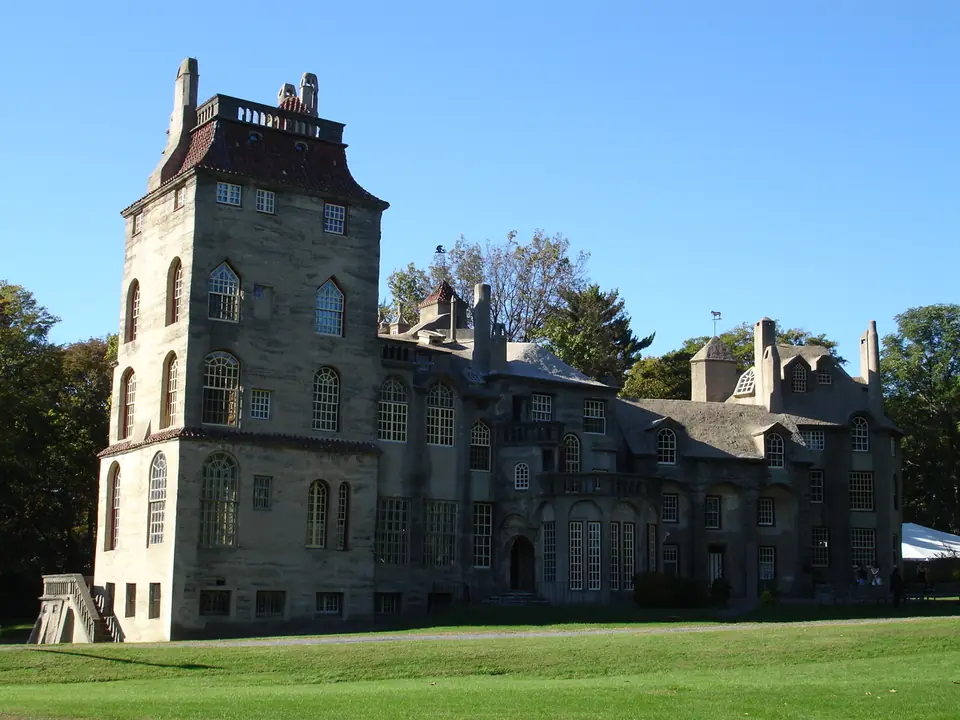
Henry Chapman Mercer's eccentric poured-concrete castle, a warren of 44 rooms built between 1908 and 1912 and studded with tiles from his own works and from around the world.
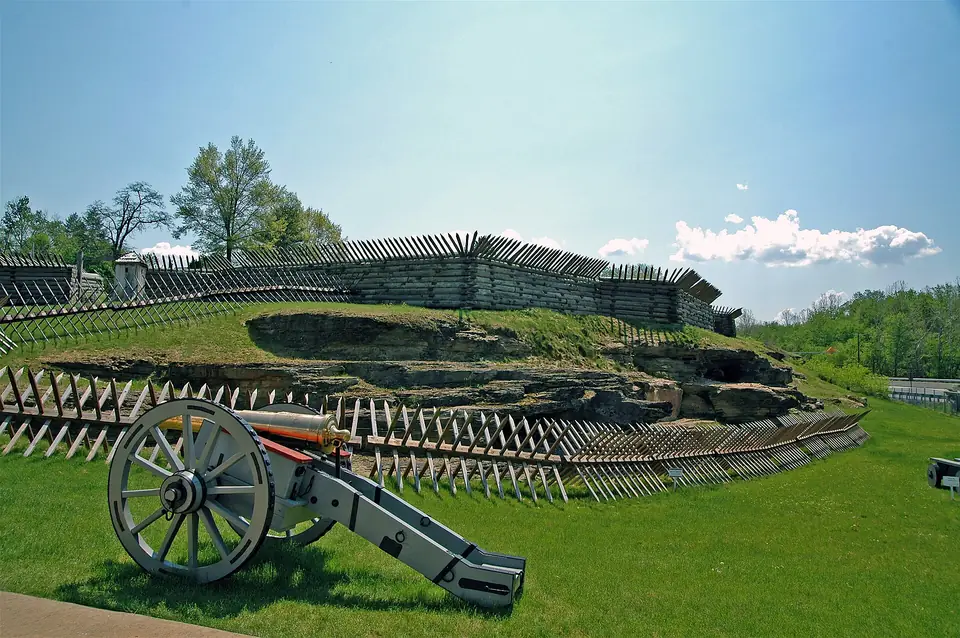
A full-scale reconstruction of the British fort built in 1758 during the Forbes campaign, with earthworks, cannon and a museum of French and Indian War artifacts.
Historic house · Northumberland, Northumberland County
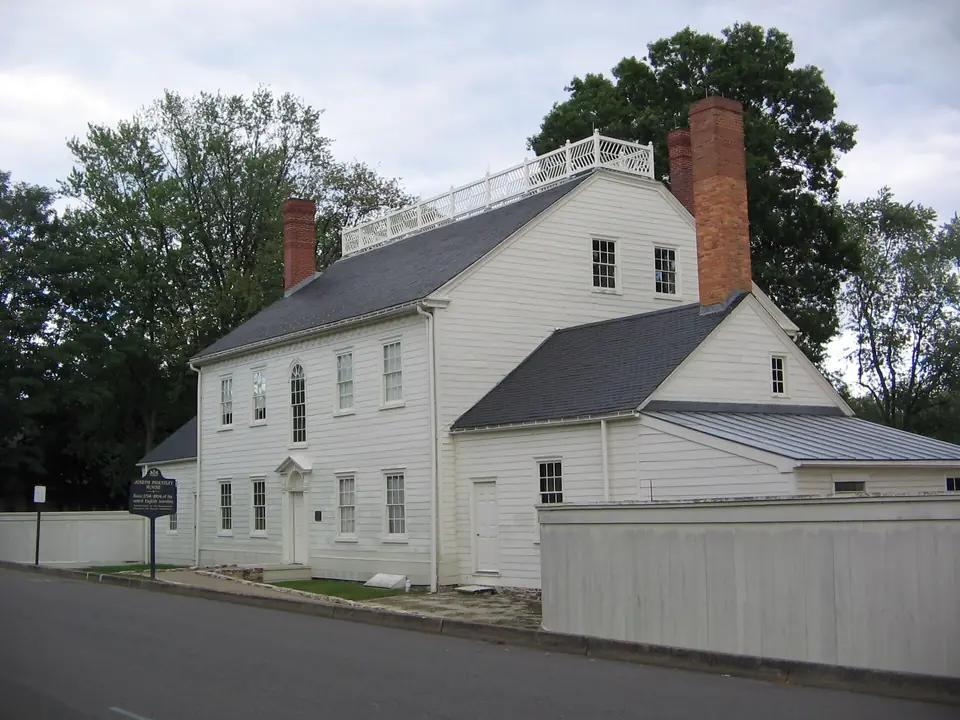
The riverside home and laboratory of Joseph Priestley, the English chemist credited with discovering oxygen, who settled here after emigrating in 1794.
Formerly the Carnegie Science Center and renamed the Kamin Science Center in 2025, with hands-on exhibits, a planetarium, a detailed miniature railroad and village, and the submarine USS Requin outside.
Living history museum · Manheim Township, Lancaster County
Pennsylvania German rural life, shown in a village of historic homes, shops and farm buildings where costumed interpreters demonstrate old crafts and tend heirloom gardens and livestock.
Archaeological site · Jefferson Township, Washington County
A rock overhang holding some of the oldest evidence of people in North America, with a re-created 16th-century Indian village and a 19th-century rural village.
A re-created early-1900s logging camp, a steam-powered sawmill and a 70-ton Shay locomotive tell the story of the lumber boom that stripped and remade the state's northern forests.
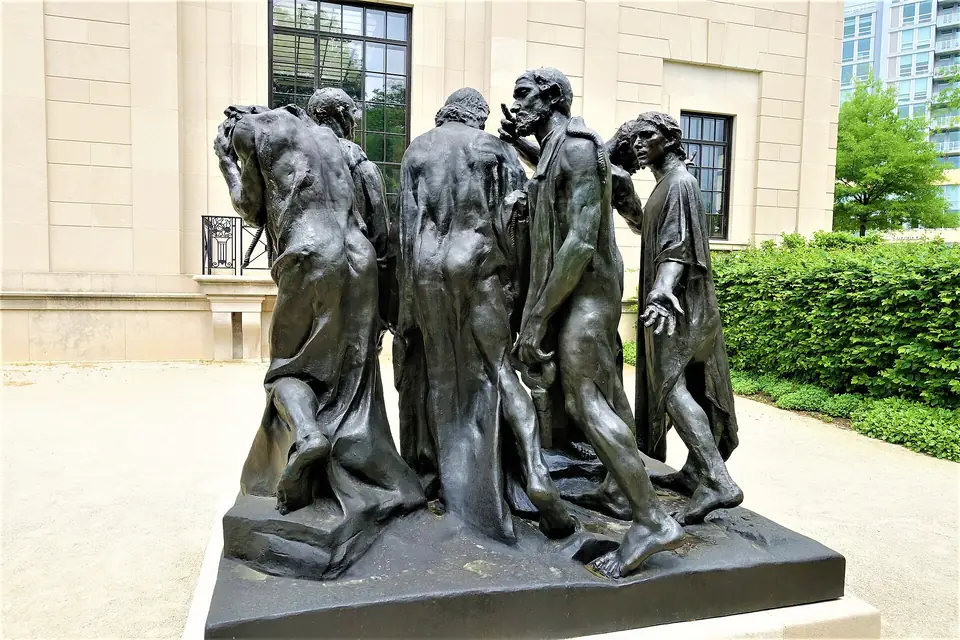
Rodin's Thinker greets visitors at the gate and The Gates of Hell frame the entrance to this Beaux-Arts museum and garden on the Benjamin Franklin Parkway.
History museum · Lincoln Township, Somerset County
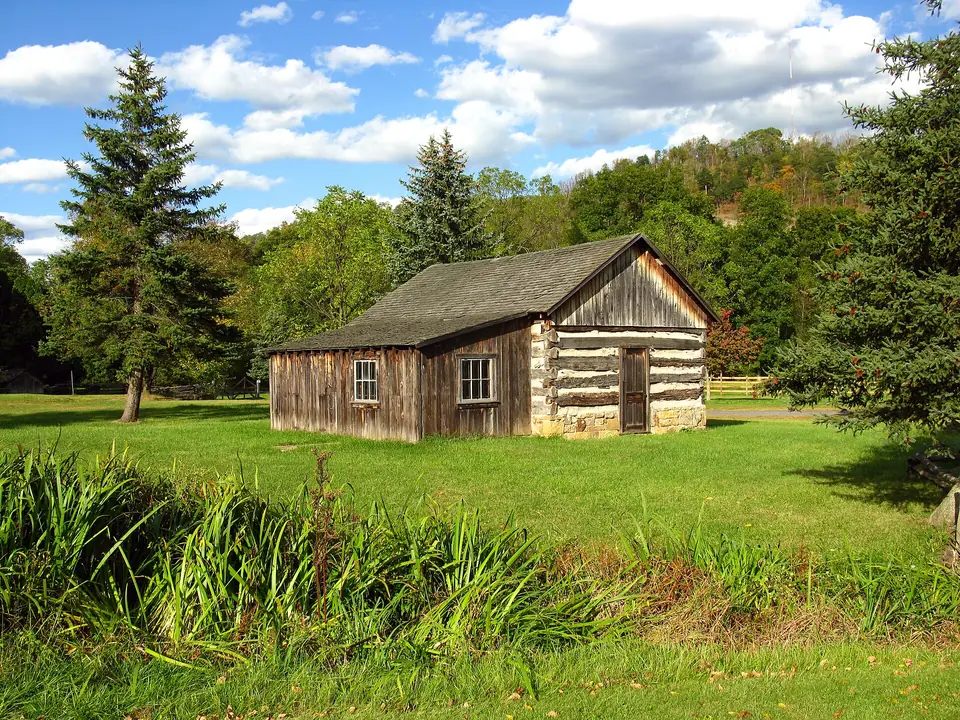
Rural life in the Laurel Highlands, told through a 1770s settler's cabin, an early farmstead, a maple sugar camp and the relocated 1859 Walter's Mill covered bridge.
Pennsylvania's story from dinosaurs to the industrial age, told beside the Capitol, with Peter Rothermel's enormous painting of Pickett's Charge and a planetarium.
National historic site · Scranton, Lackawanna County
A historic rail yard where steam locomotives fill a working roundhouse, with museums of railroading and a Union Pacific Big Boy among the giants on display.
Military museum · Middlesex Township, Cumberland County
Army history from the Revolution to today, told in a Soldier Experience Gallery and along an outdoor trail lined with re-created trenches, barracks and fortifications.
Historic village · East Huntingdon Township, Westmoreland County
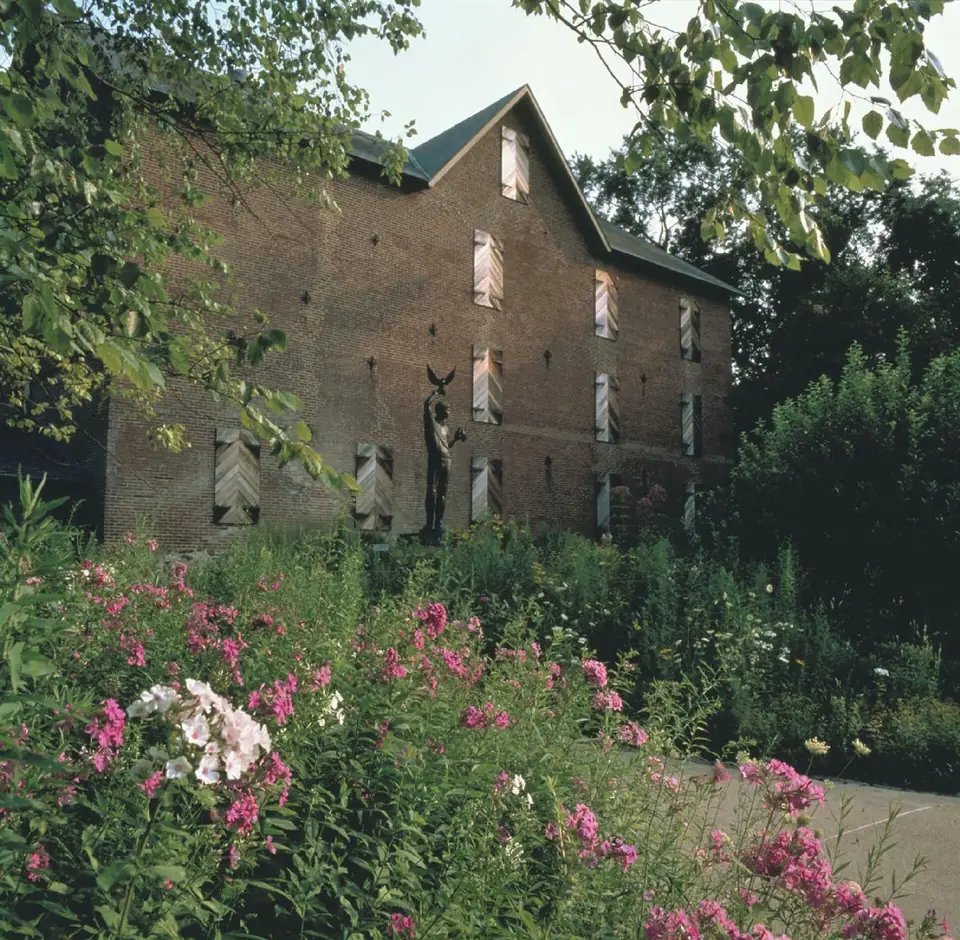
A 19th-century distilling village where Old Overholt rye whiskey began and industrialist Henry Clay Frick was born, with museums in its old brick and stone buildings.
Automobile museum · South Hanover Township, Dauphin County
Vintage cars from the horseless-carriage era to the muscle-car years fill the Antique Automobile Club of America's museum, which also holds a gallery of rare Tucker sedans and a museum of buses.
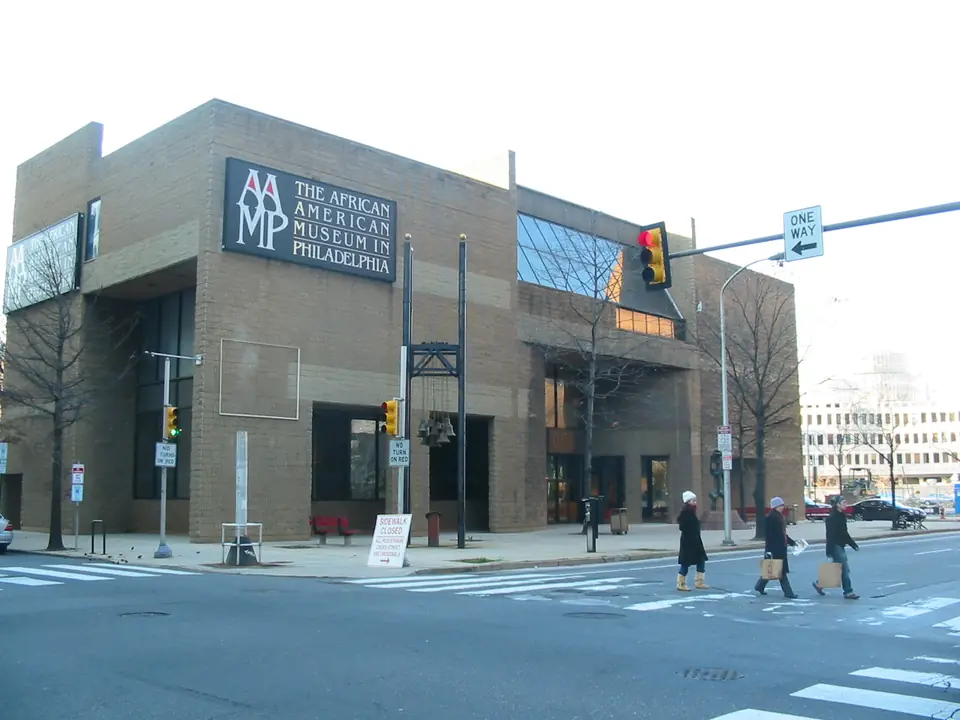
Opened for the 1976 Bicentennial, this pioneering museum explores African American history and culture, including the lives of the city's free Black community in the nation's first century.
European Renaissance and Baroque paintings from the Kress collection and American art, along with a complete Frank Lloyd Wright library rescued from a Minnesota house.
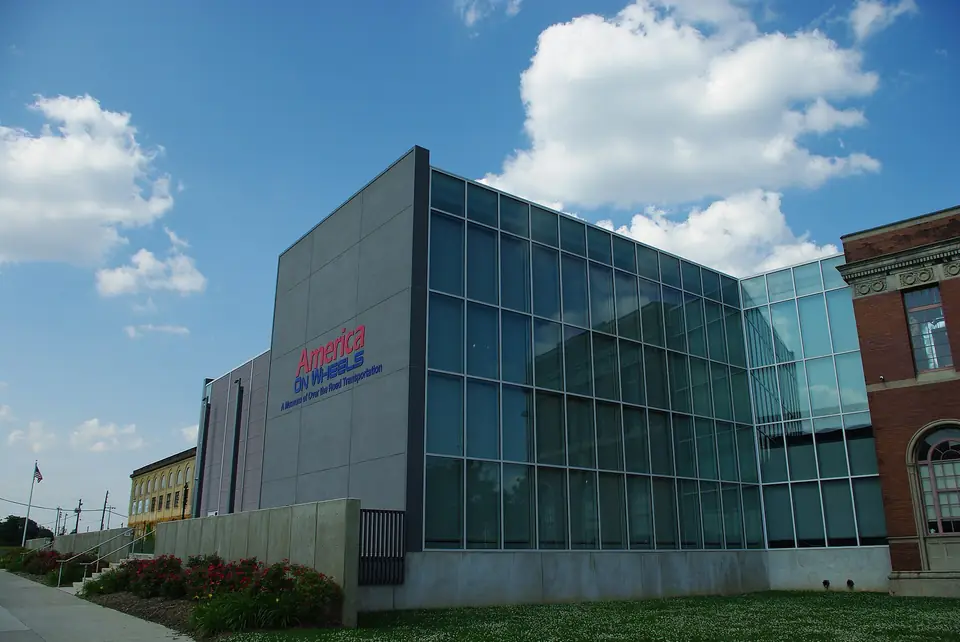
Cars, trucks and motorcycles tell the story of over-the-road travel at this museum beside the Lehigh River, from an 1889 gas-powered carriage to Mack trucks built in the Lehigh Valley.
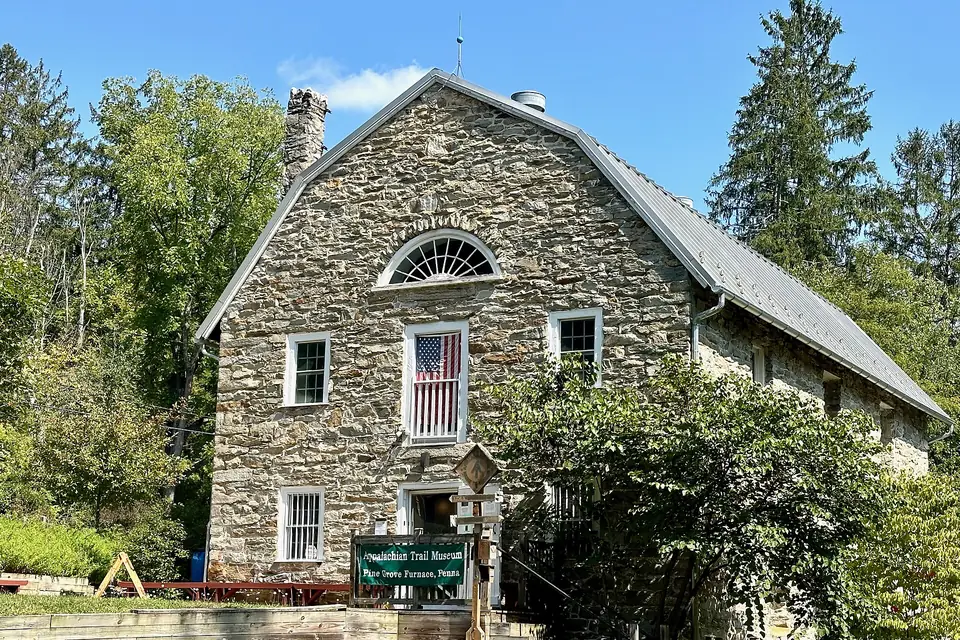
Set in an old stone mill at Pine Grove Furnace, close to the trail's halfway point, this small museum honors hikers such as Earl Shaffer, who made the first recorded thru-hike in 1948.
Albert Barnes's extraordinary collection of Impressionist and Post-Impressionist paintings by Renoir, Cezanne, Matisse and more, hung as he arranged it.
Horse-drawn carriages, sleighs and early motor vehicles made in southeastern Pennsylvania, shown in a former truck-body factory beside the 1872 carriage shop where that company got its start.
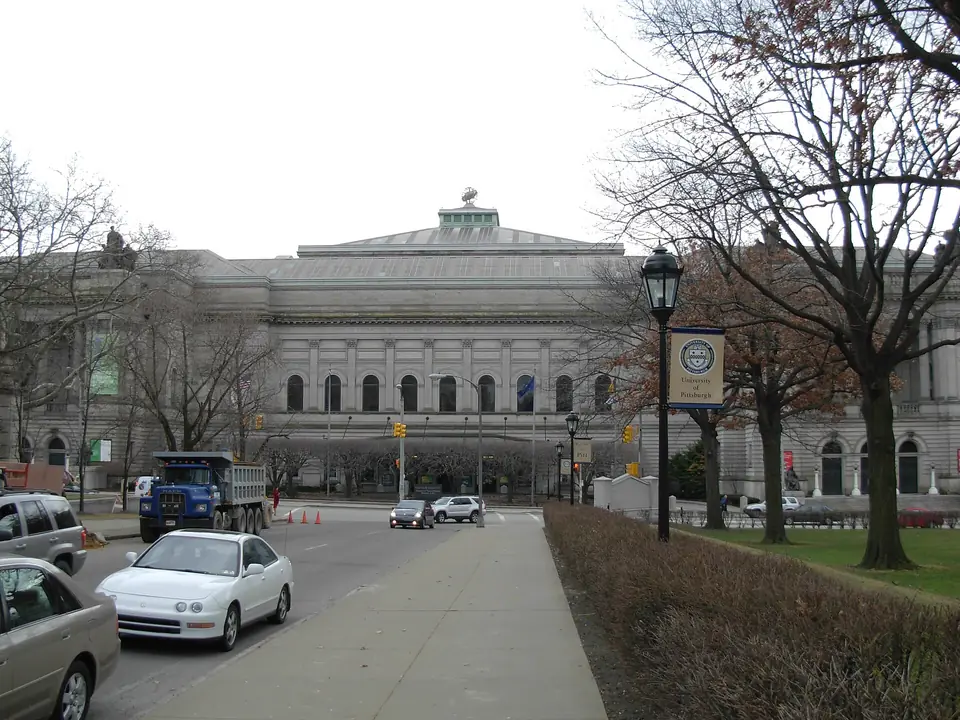
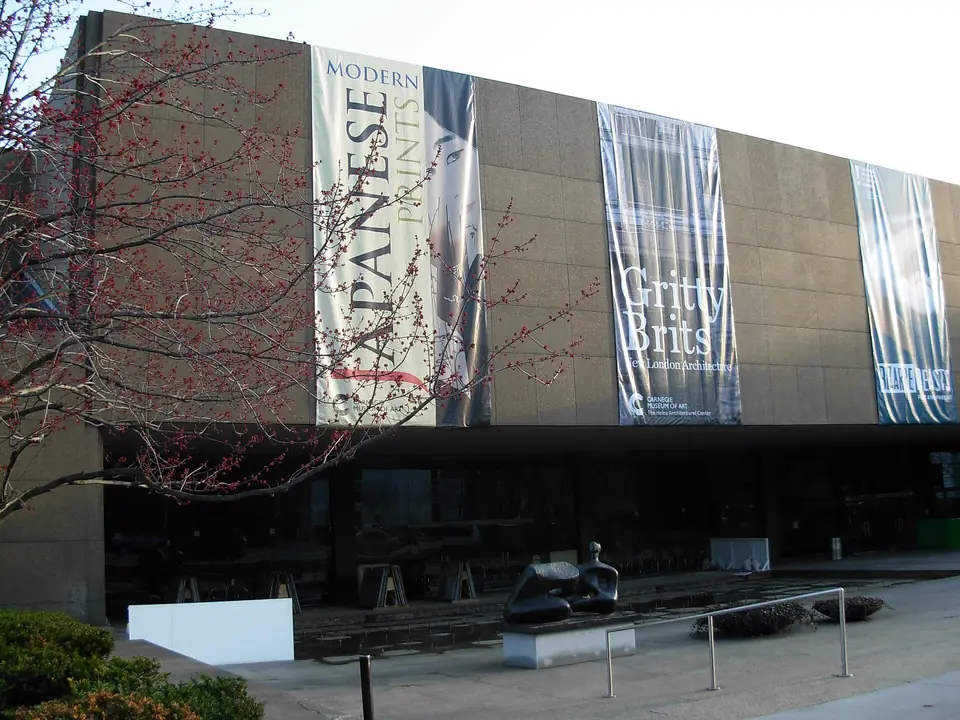
Ancient to contemporary art, a Hall of Architecture filled with plaster casts of great buildings, and the long-running Carnegie International exhibition.
Natural history museum · Pittsburgh, Allegheny County
Dinosaurs posed in lifelike scenes, among them Dippy the Diplodocus and the first Tyrannosaurus rex ever described, plus a dazzling hall of minerals and gems.
The county's history museum and research library, with tall-case clocks, early furniture, quilts and historic clothing, and exhibits on three centuries of local stories.
Kids can mold, name and wrap their own crayons, melt wax into art and lose hours in hands-on color activities at this attraction run by the crayon maker.
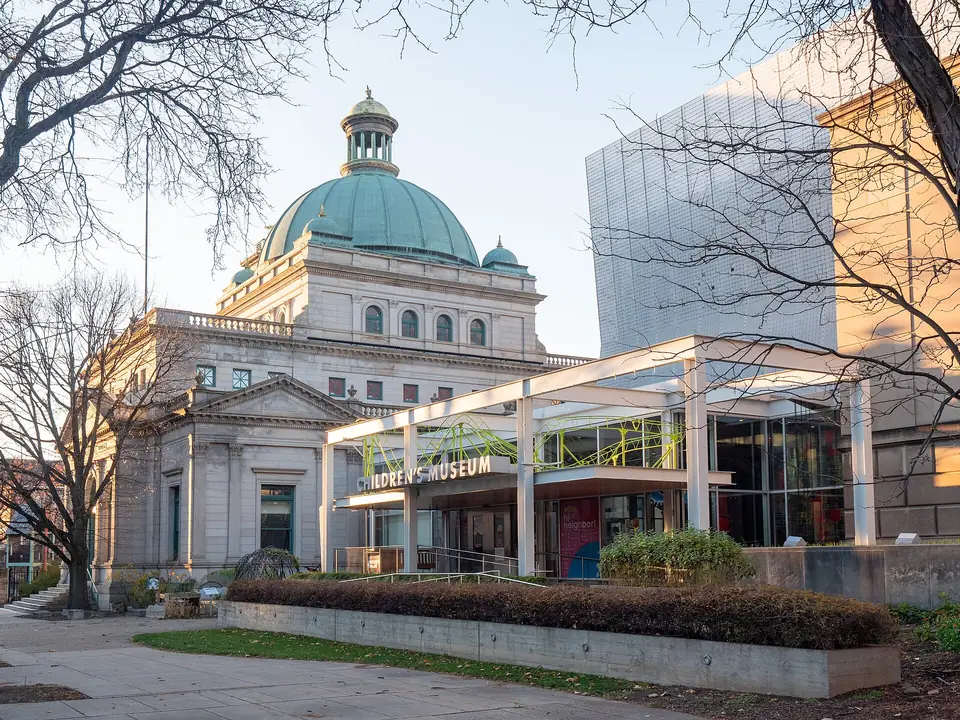
A big hands-on science center that moved downtown in 2024, where families can explore physics, the human body, engineering and more through interactive exhibits.
The home and studio of early modernist painter Charles Demuth, where changing shows of his watercolors and paintings hang steps from the garden that inspired his flower pictures.
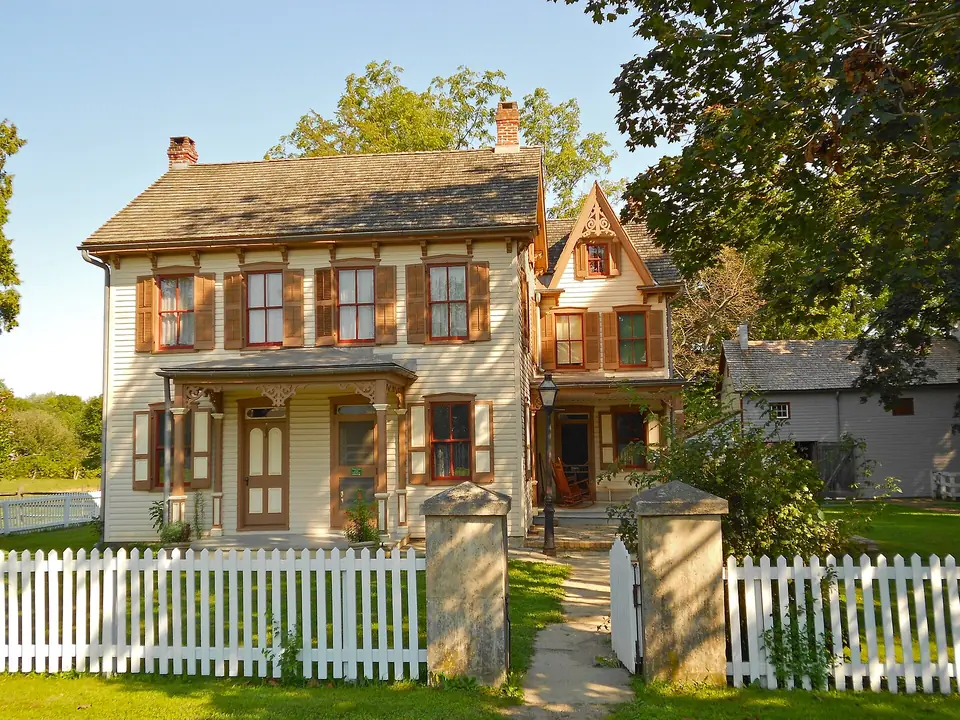
A towering 1859 stone mansion in Germantown furnished in high Victorian style, with restored period gardens and exhibits on mid-19th-century domestic life.
This town's munitions plant made bombs and shells for the Allies, and the museum honors those home-front workers, most of them women, alongside dioramas, weapons and uniforms from the war.
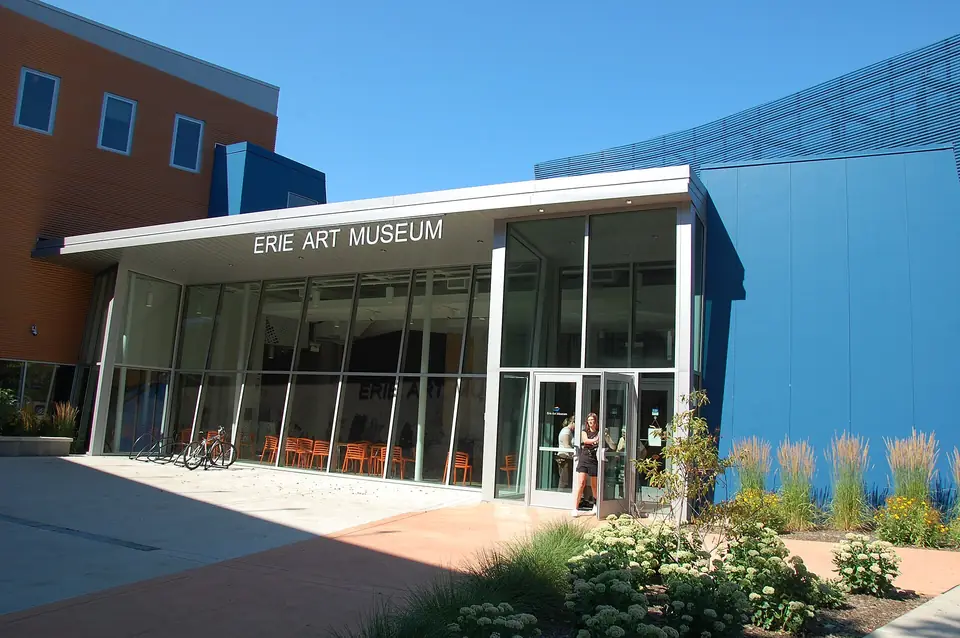
Changing exhibitions and a wide-ranging collection strong in American ceramics, Asian art and bronze sculpture, shown partly in the marble 1839 Greek Revival Customs House downtown.
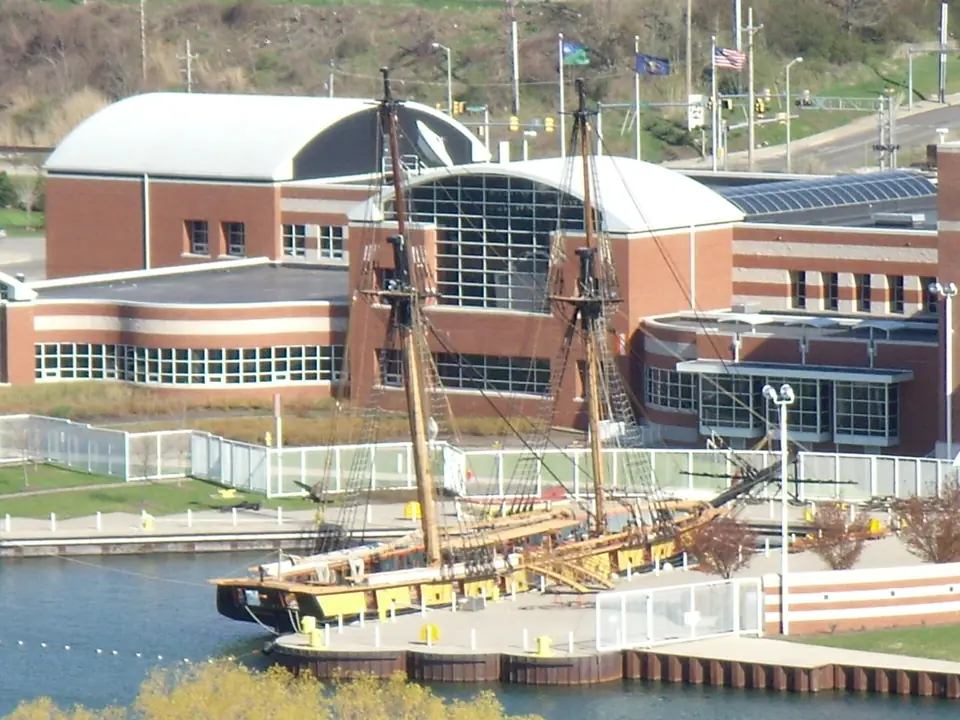
Home port of the U.S. Brig Niagara, a reconstruction of Oliver Hazard Perry's flagship, with exhibits on the 1813 Battle of Lake Erie and the region's maritime past.