The forts, halls and battlefields where Pennsylvania saw the start of the French and Indian War, the founding of the nation and the turning point of the Civil War.
Few states hold so much of the country's story. The French and Indian War, which set the stage for the Revolution, began
in the forests of southwestern Pennsylvania with a young George Washington. Independence was declared and the
Constitution written in Philadelphia, Washington's army survived its hardest winter at Valley Forge, and in 1863 the
bloodiest battle of the Civil War was fought in the farm fields around Gettysburg. The places below run roughly in the
order things happened, from the western mountains to Philadelphia and back across the state to Gettysburg. Most are run
by the National Park Service or the state, and some need timed tickets or a shuttle, so check before you go.
1National battlefield · Wharton Township, Fayette County
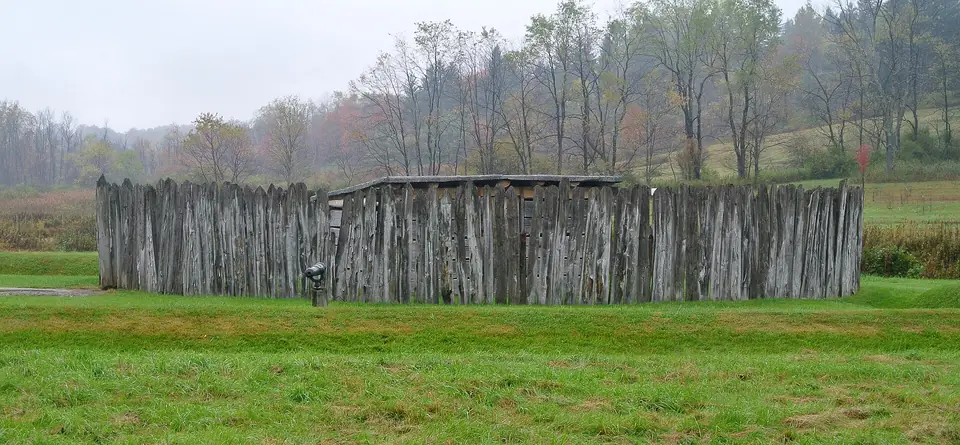
On July 3, 1754, a young George Washington was forced to surrender this small round stockade in a mountain meadow to the French, in one of the opening clashes of the French and Indian War. The fort has been rebuilt, and the park also takes in Jumonville Glen and the grave of General Edward Braddock.
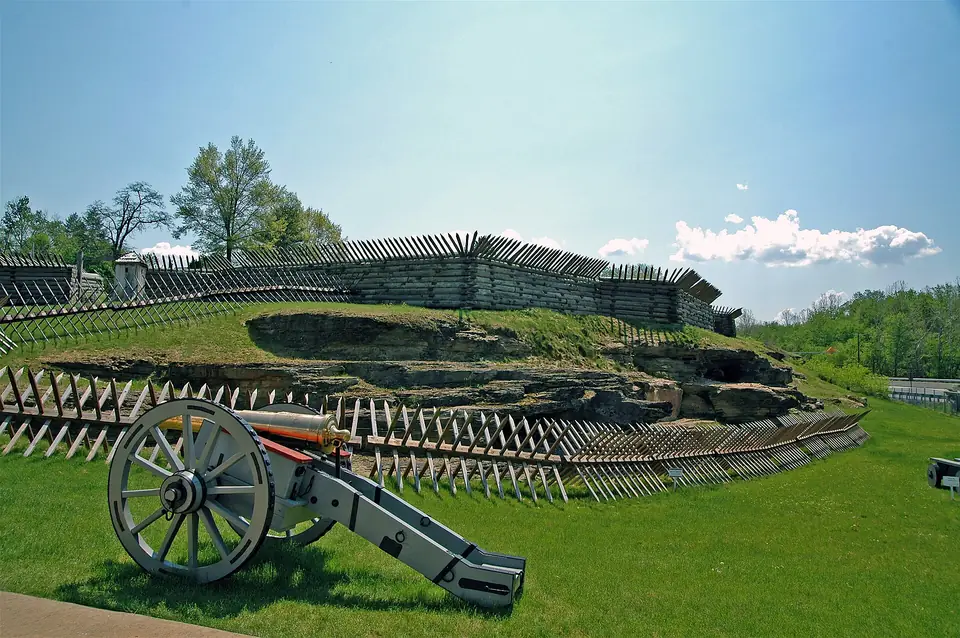
The British built this fort in 1758 as they cut a road west to take the French stronghold of Fort Duquesne. A full-size reconstruction stands on the original site in the middle of town, beside a museum of the war.
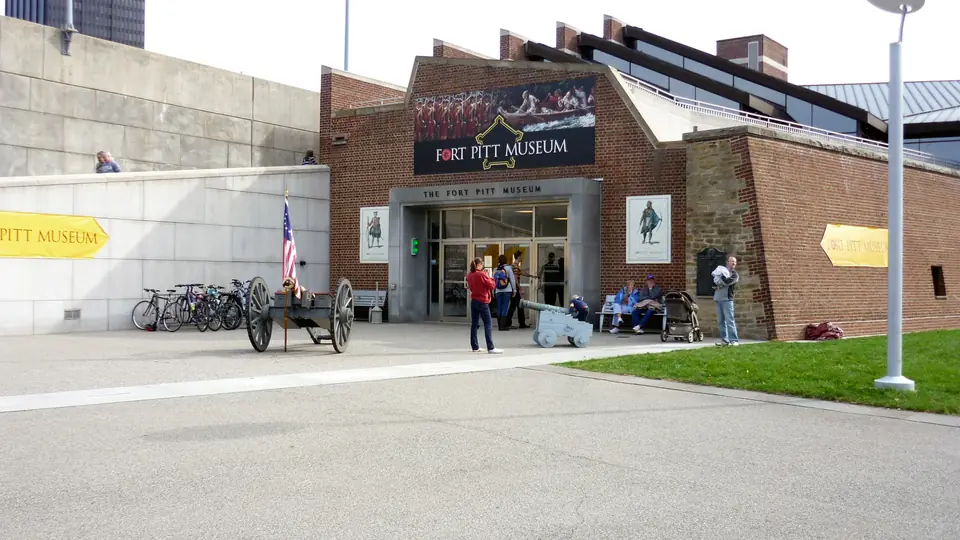
In a reconstructed bastion of Fort Pitt at the Point, where the Allegheny and Monongahela rivers meet, a museum tells how France and Britain fought for this spot and how Pittsburgh grew up around it. The Fort Pitt Block House of 1764 still stands a few steps away.
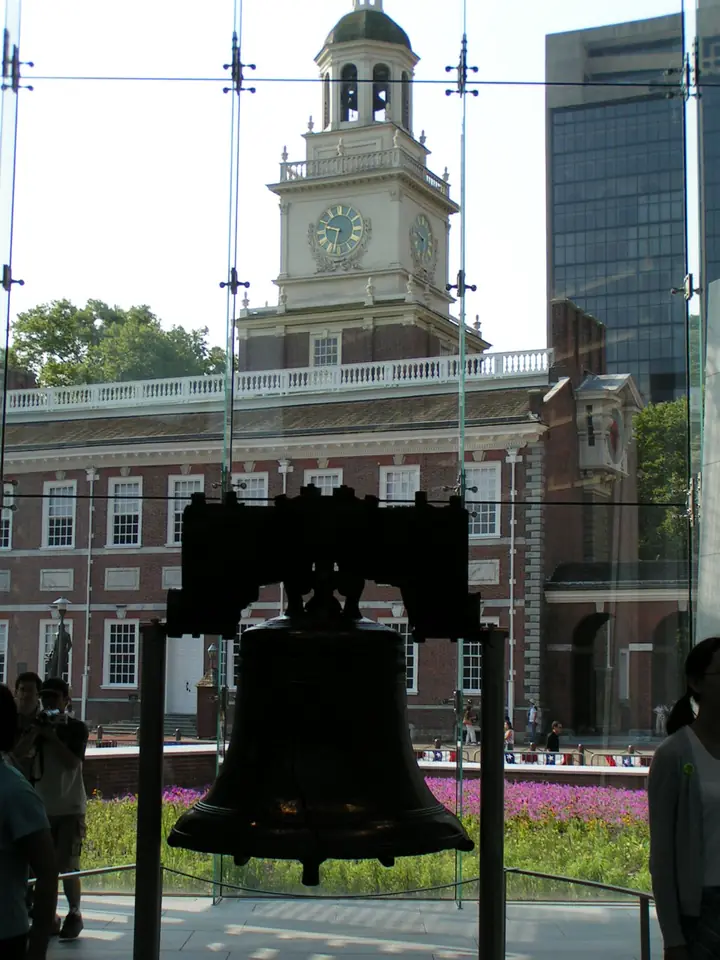
The Declaration of Independence was adopted and the Constitution written in Independence Hall, and the Liberty Bell hangs across the street. The park takes in a whole district of old Philadelphia, and the Museum of the American Revolution is a short walk away.
On the night of December 25, 1776, Washington's army climbed into boats here and crossed the icy Delaware to attack Trenton. The crossing is reenacted every Christmas Day, and Bowman's Hill Tower, upriver, looks out over the whole valley.
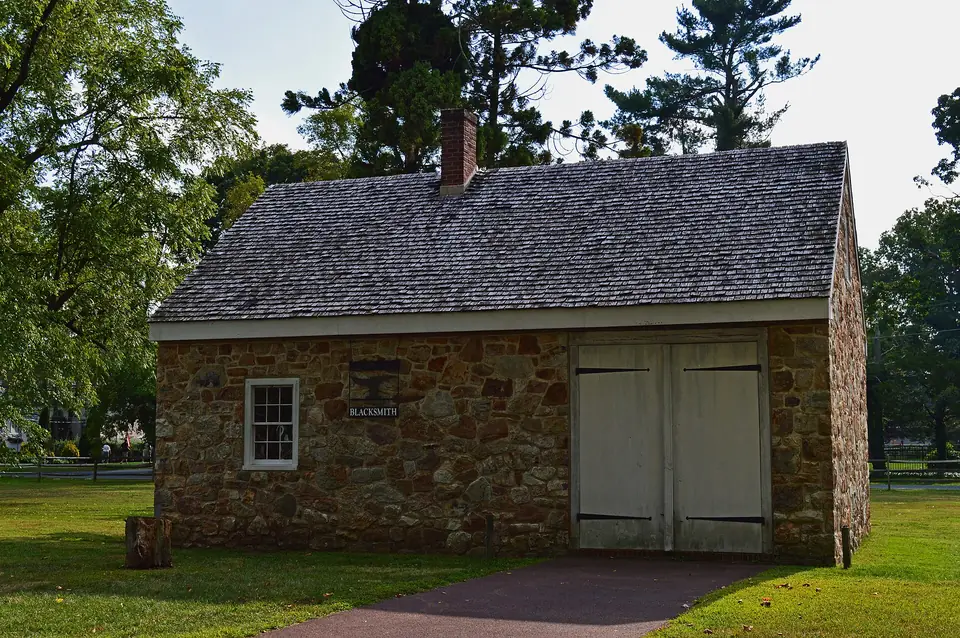
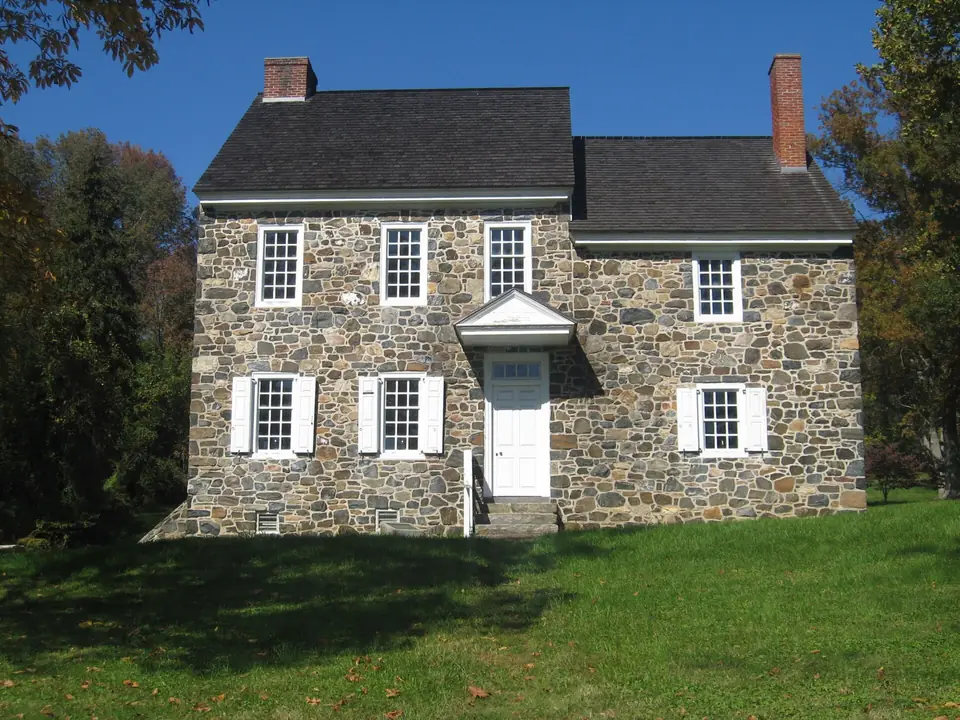
On September 11, 1777, the British outflanked Washington along Brandywine Creek in one of the largest battles of the war, and two weeks later they marched into Philadelphia. The park keeps the farmhouses that served as Washington's headquarters and Lafayette's quarters.
In the autumn of 1777 a small garrison held this island fort for weeks under heavy British bombardment, keeping supply ships from reaching occupied Philadelphia. Rebuilt after the war and used into the Civil War, it now sits beside the airport.
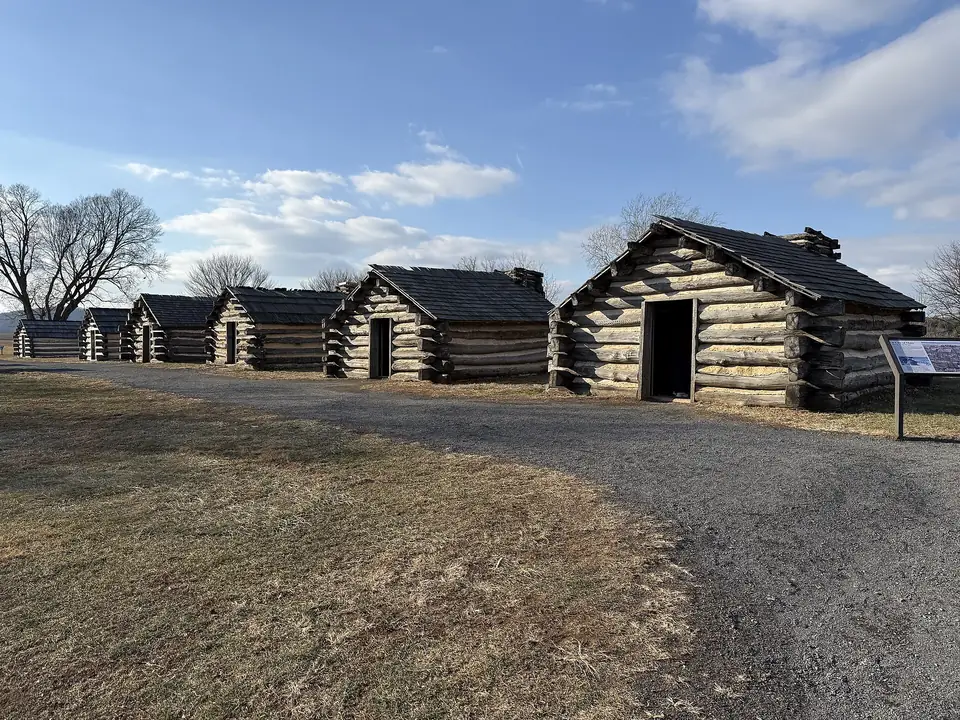
Washington's army camped here from December 1777 to June 1778. Hunger and disease killed some 2,000 soldiers, yet the army that marched out had been drilled by Baron von Steuben into a far better fighting force. Drive or bike the loop past rebuilt huts, the National Memorial Arch and Washington's headquarters.
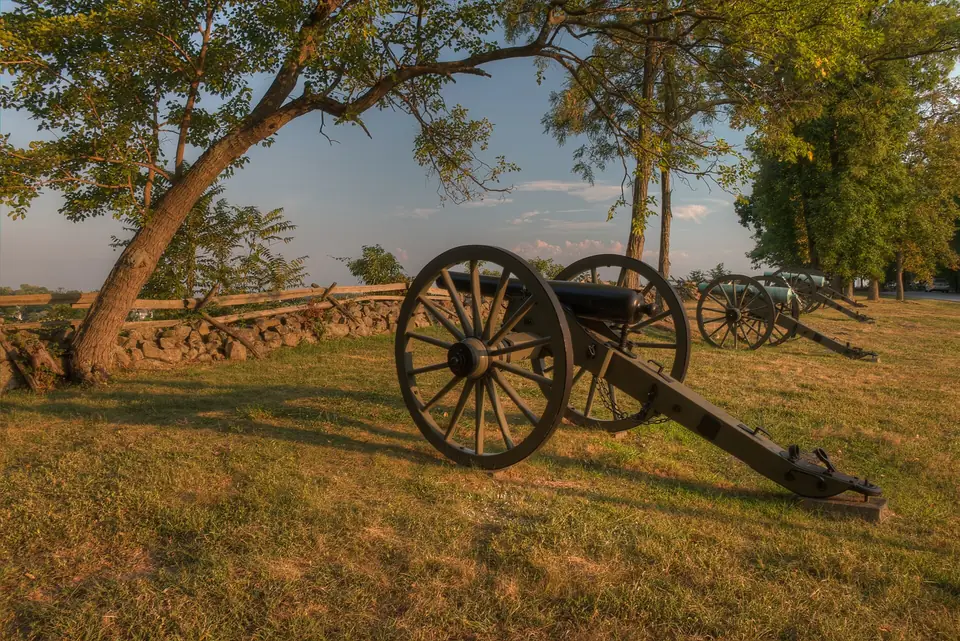
The three days of fighting in July 1863 were the costliest of the Civil War, and Lincoln came that November to dedicate the soldiers' cemetery. Start at the museum and visitor center, with its huge circular painting of Pickett's Charge, then drive the battlefield on your own or with a licensed guide.
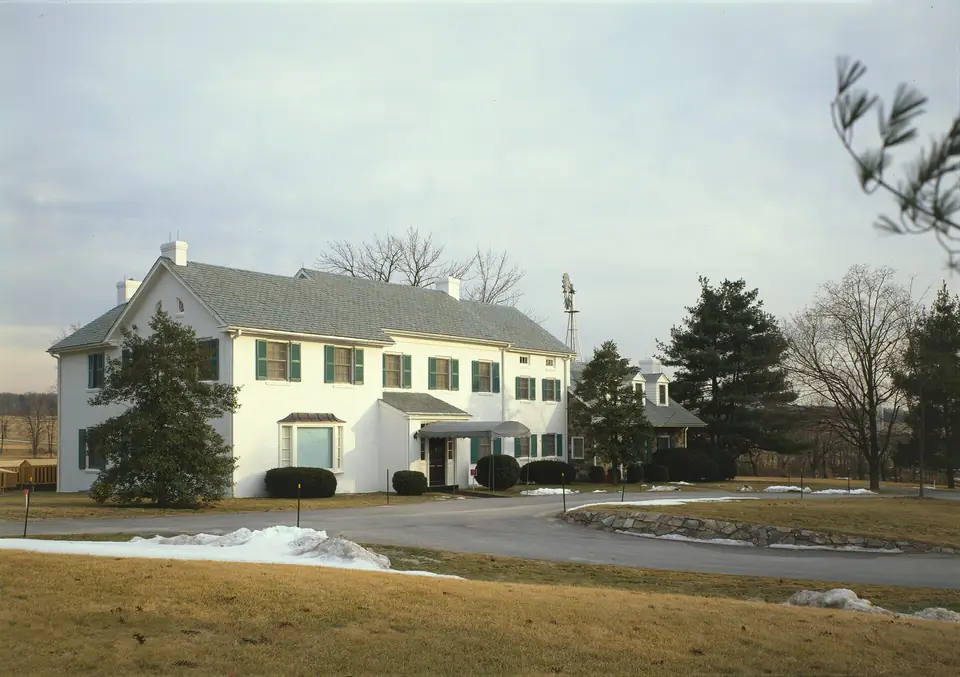
Dwight Eisenhower's farm lies right beside the battlefield. He used it as a weekend retreat while president, recovered there after his heart attack in 1955, showed it off to Nikita Khrushchev in 1959 and retired there in 1961.