Historic Sites in Philadelphia & The Countryside 24
Battlefields, historic houses, forts, mining towns, railroad landmarks and lighthouses.
-
Washington Crossing Historic Park
The Pennsylvania shore where Washington's army set out across the icy Delaware on Christmas night 1776, with historic buildings and a yearly reenactment.
-
John James Audubon Center at Mill Grove
The first American home of John James Audubon, now a museum of his bird art set amid woods, meadows and trails along Perkiomen Creek that are rich in birdlife.
-
Independence National Historical Park
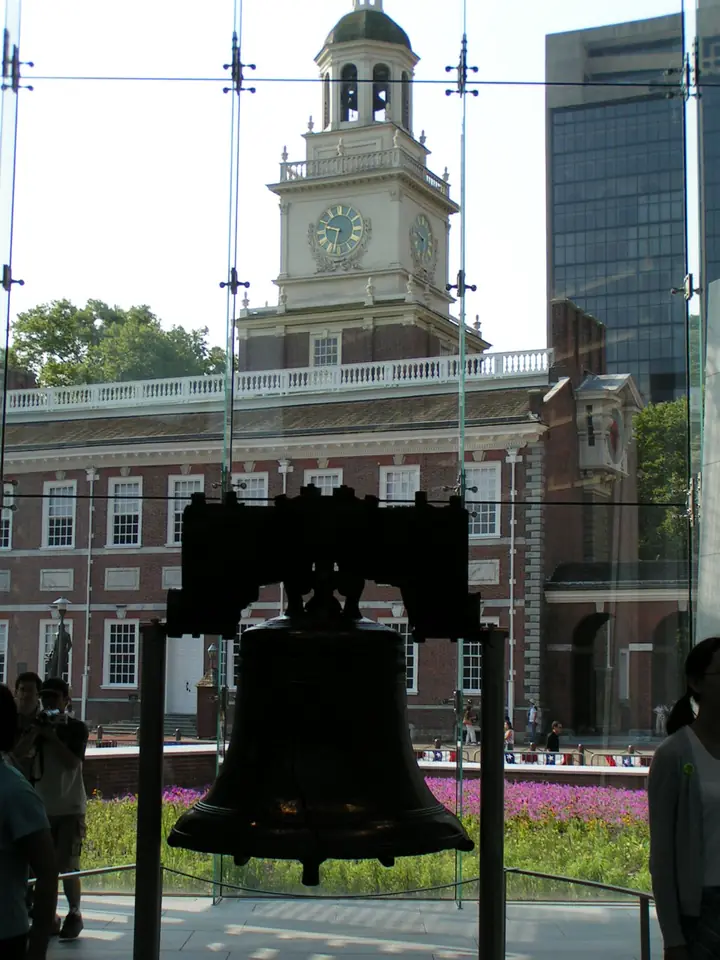
The birthplace of American independence: Independence Hall, where the Declaration and the Constitution were adopted, the Liberty Bell, Congress Hall and blocks of historic buildings.
-
Betsy Ross House
The small colonial house associated with Betsy Ross, the upholsterer said to have sewn the first Stars and Stripes, with period rooms and a costumed interpreter.
-
Fairmount Water Works
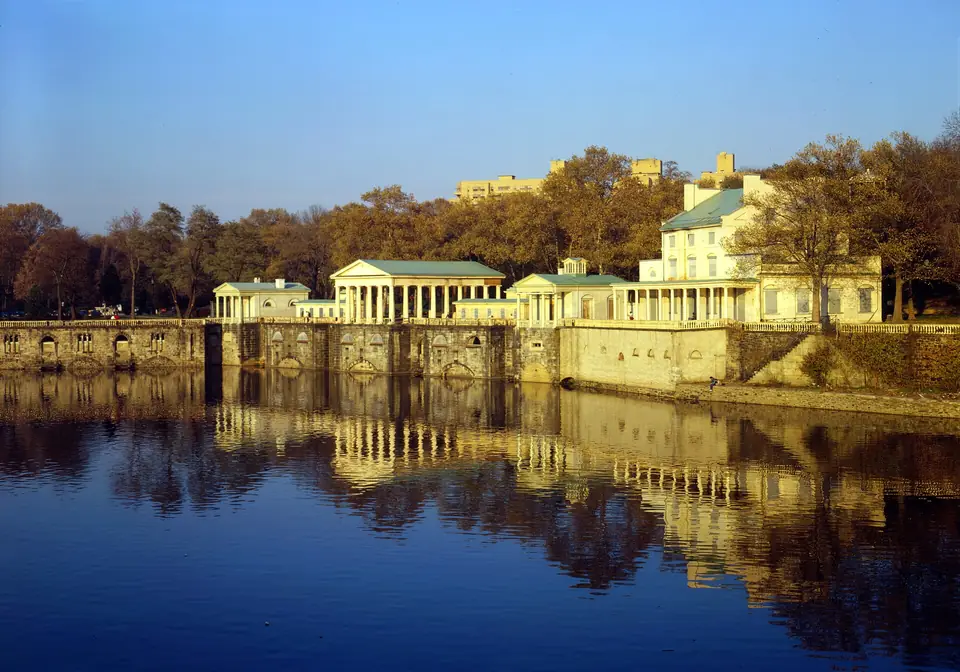
Classical temples on the Schuylkill below the art museum that once pumped the city's water, now an interpretive center about the river and its watershed, beside Boathouse Row.
-
Fonthill Castle
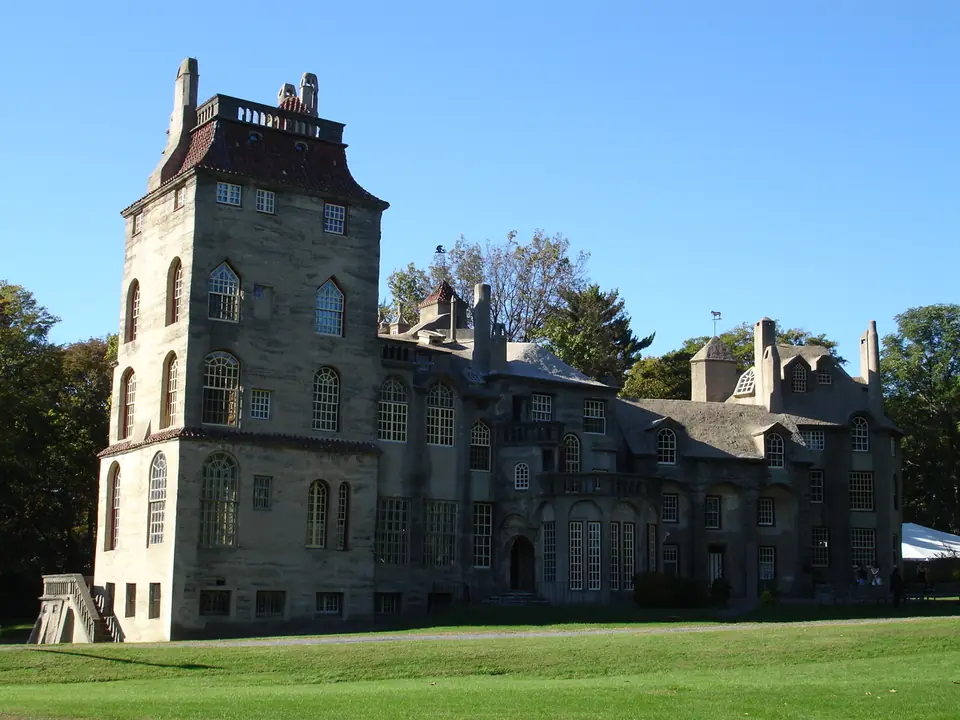
Henry Chapman Mercer's eccentric poured-concrete castle, a warren of 44 rooms built between 1908 and 1912 and studded with tiles from his own works and from around the world.
-
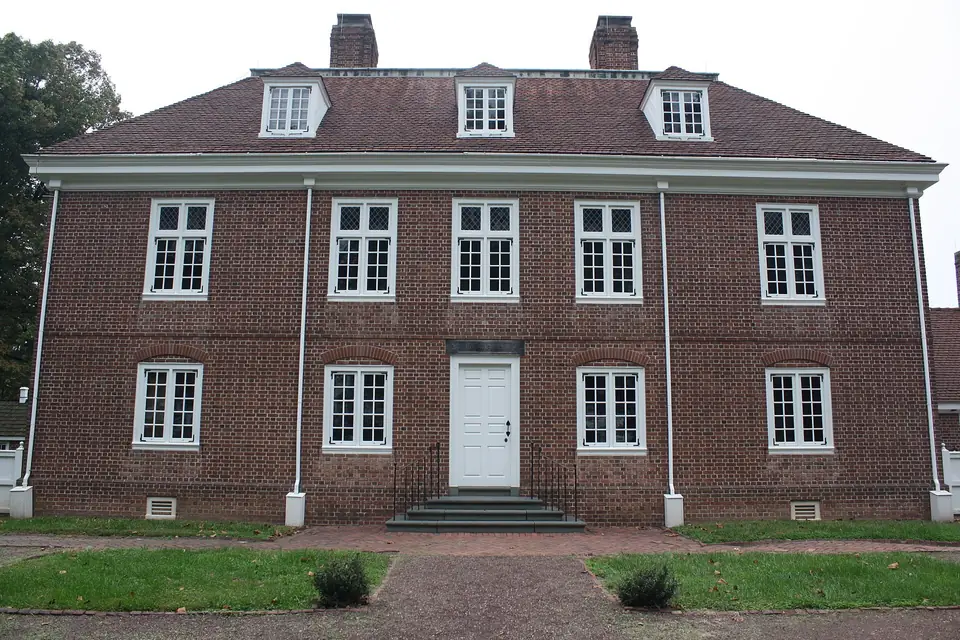
Pennsbury Manor
William Penn's country estate on the Delaware River, with a 1930s re-creation of his manor house, gardens, outbuildings, farm animals and demonstrations of 17th-century life.
-
Beth Sholom Synagogue
Frank Lloyd Wright's only synagogue, a soaring translucent pyramid meant to evoke Mount Sinai, completed in 1959 and still home to an active congregation that offers tours.
-
Brandywine Battlefield Park
Part of the ground of the 1777 Battle of Brandywine, one of the largest battles of the Revolution, with the farmhouses used as quarters by Washington and Lafayette.
-
Cliveden
Benjamin Chew's Germantown country house, held by British troops against Washington's attack in the Battle of Germantown in 1777, now a house museum of the National Trust.
-
Ebenezer Maxwell Mansion
A towering 1859 stone mansion in Germantown furnished in high Victorian style, with restored period gardens and exhibits on mid-19th-century domestic life.
-
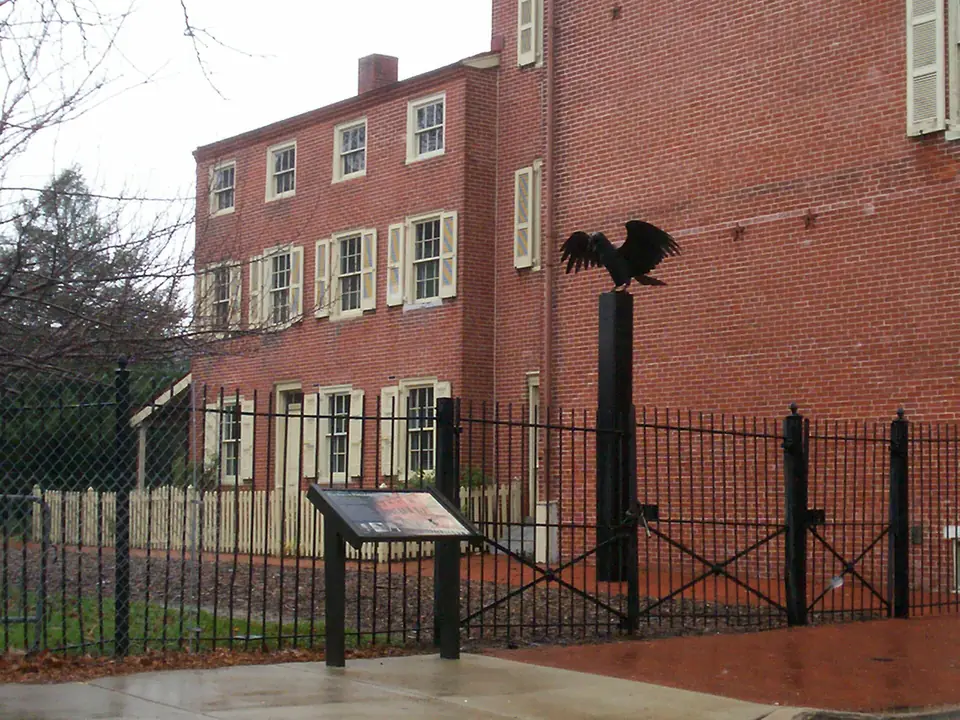
Edgar Allan Poe National Historic Site
The brick house where Edgar Allan Poe lived in the early 1840s, the only one of his city homes to survive, including a cellar that recalls his story The Black Cat.
-
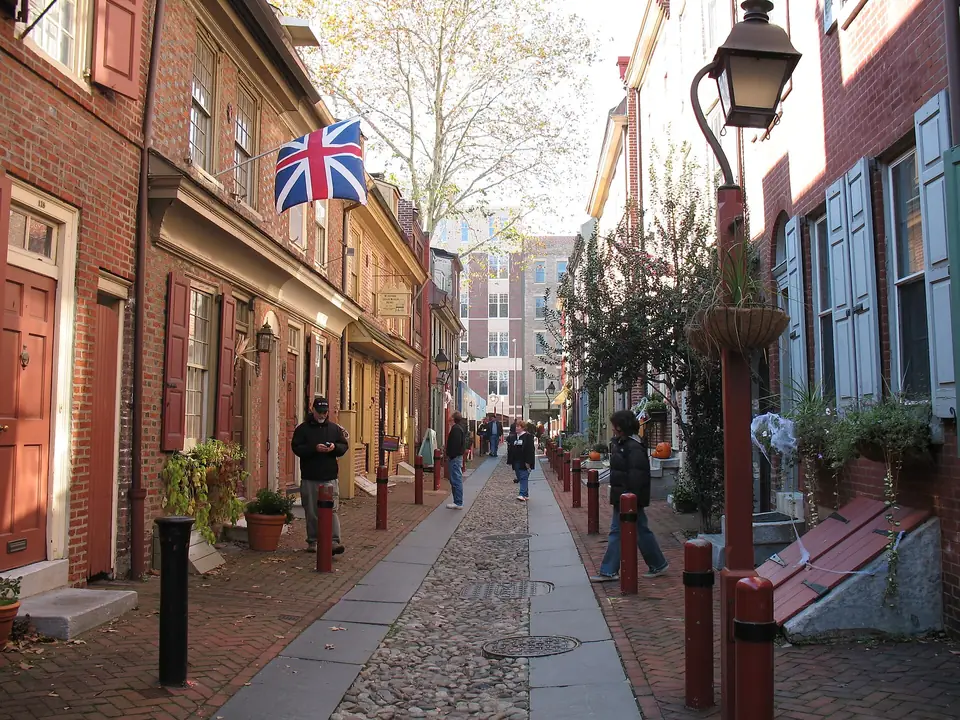
Elfreth's Alley
Often called the nation's oldest continuously inhabited residential street, a narrow cobbled lane of 18th-century brick rowhouses, with a small museum house open to visitors.
-
Fort Mifflin
On the Delaware River marshes, a stone fort whose 1777 siege held up the British fleet, with barracks, casemates and stories of later service as a Civil War prison.
-
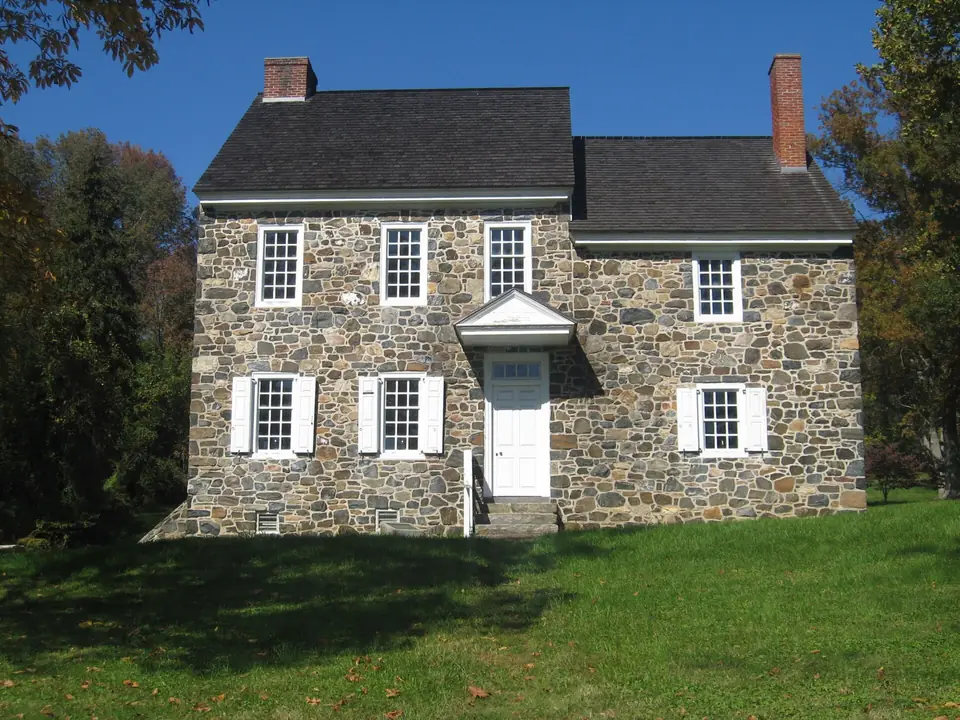
Graeme Park
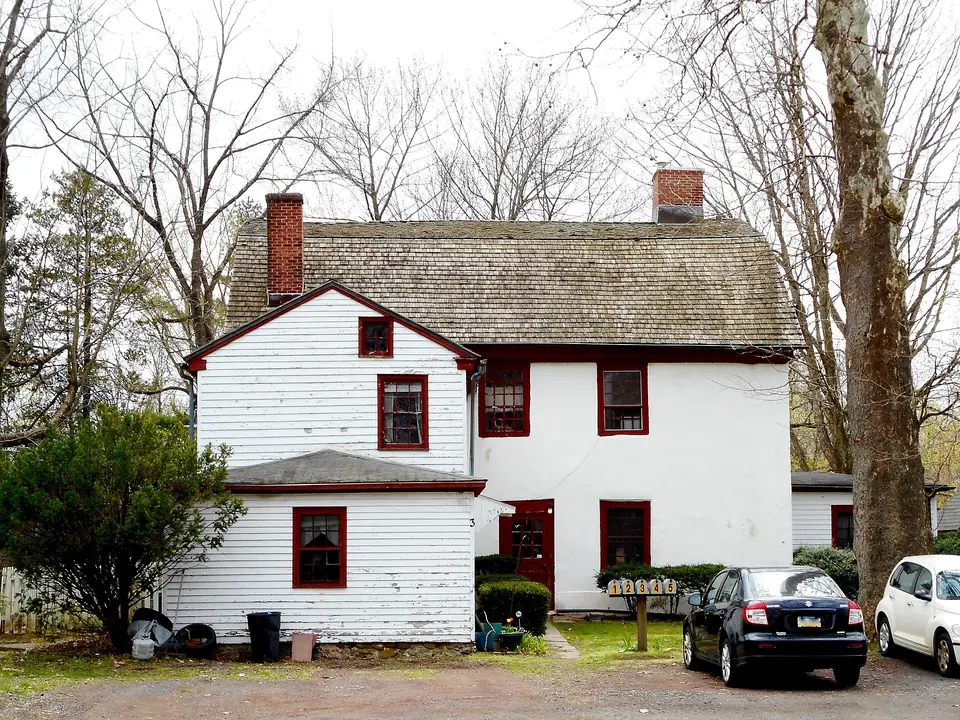
The 1720s stone mansion of colonial governor Sir William Keith, later home of the poet Elizabeth Graeme Fergusson, with remarkably original interiors set among open fields.
-
Historic Fallsington
A village in Lower Bucks County that grew up around its Quaker meetinghouses, with buildings spanning three centuries.
-
Hope Lodge
A Georgian mansion of the 1740s, used as the army's medical headquarters during Washington's Whitemarsh encampment, and later filled by collectors with colonial and Federal furnishings.
-
Laurel Hill Cemetery
A Victorian garden cemetery founded in 1836 on bluffs above the Schuylkill, with elaborate monuments, fine sculpture and river views, explored on guided tours and events.
-
Eastern State Penitentiary
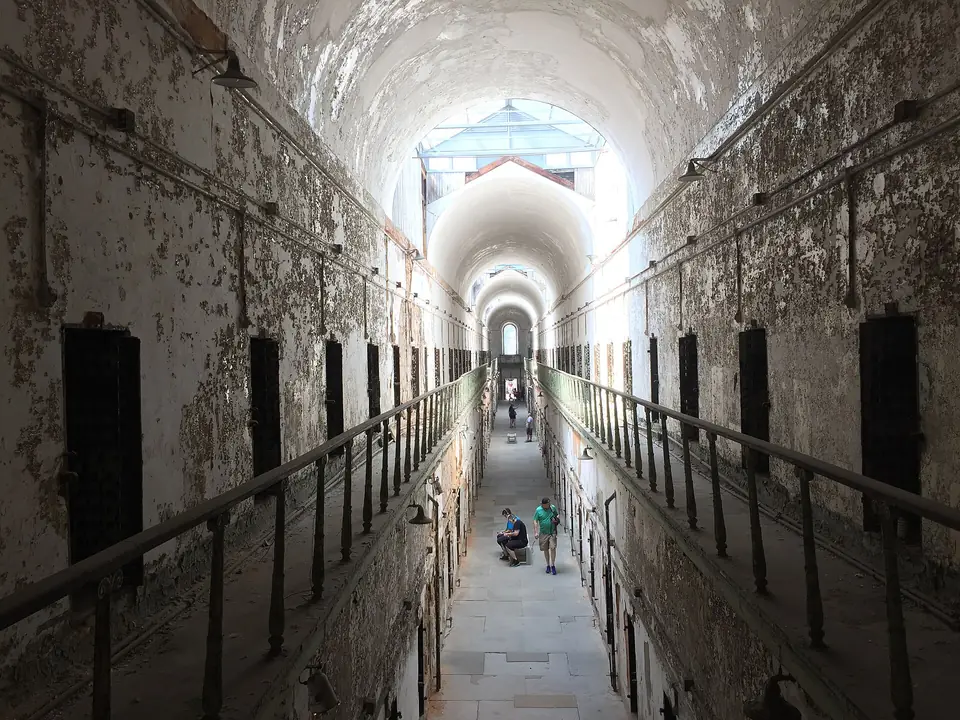
A vast 1829 prison, its cellblocks left in haunting ruin, where Al Capone once served time; now a museum about American justice.
-
Harriton House
The 1704 stone house where Charles Thomson, secretary of the Continental Congress, spent his later years, now a house museum set among fields and woods.
-
Shofuso Japanese Cultural Center
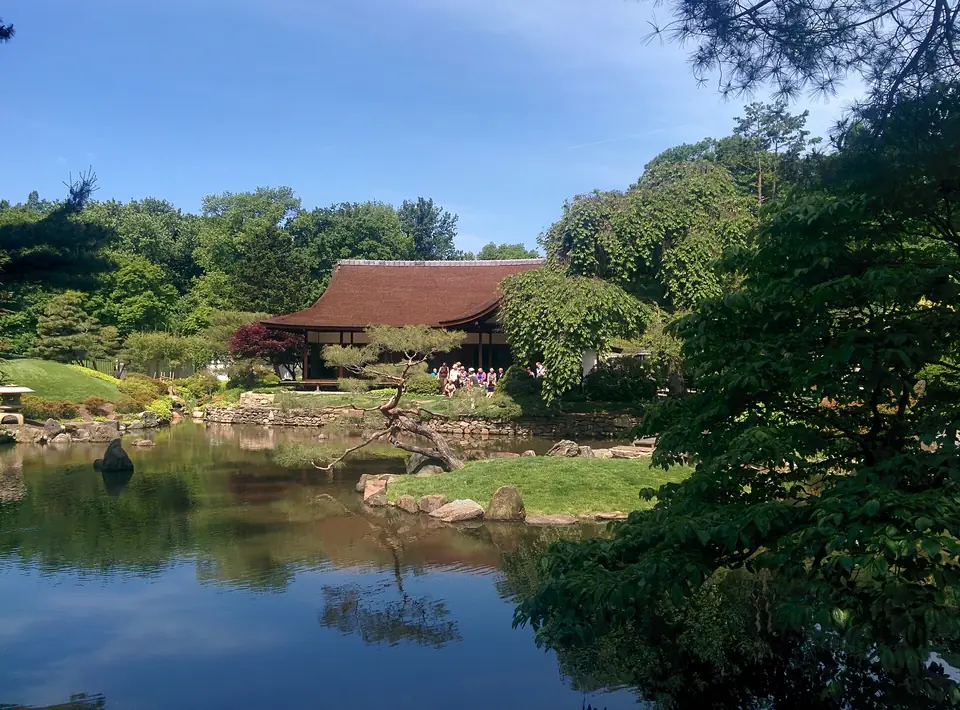
A Japanese house and garden in 17th-century style, built in Japan for display at the Museum of Modern Art in the 1950s, now set beside a koi pond in Fairmount Park.
-
Valley Forge National Historical Park
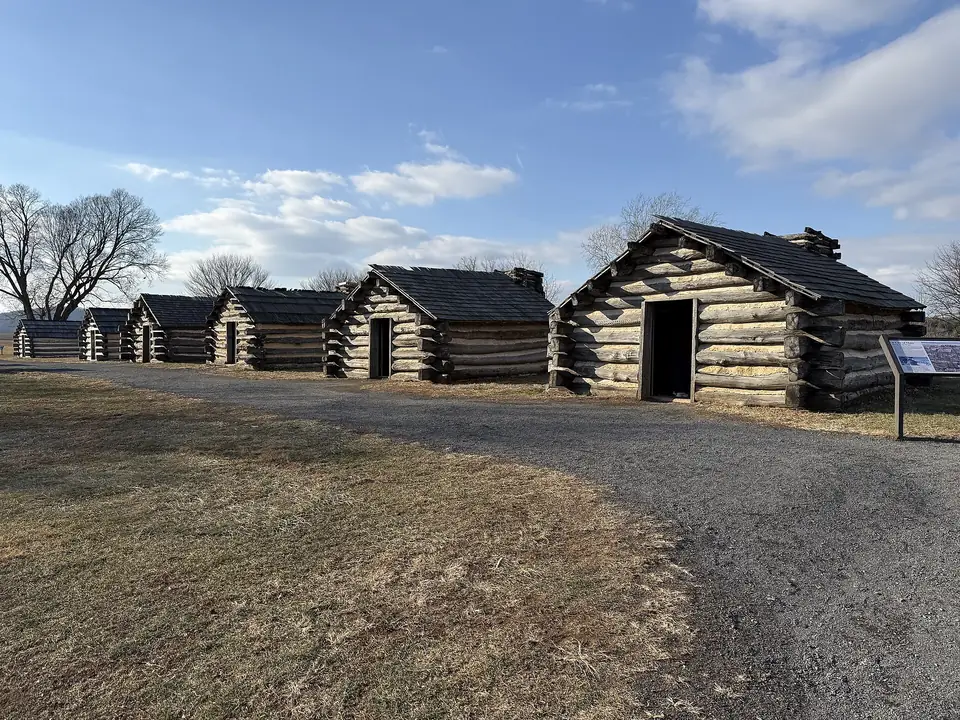
Where Washington's Continental Army camped through the winter of 1777-78: rolling fields, rebuilt huts, his headquarters and miles of trails.
-
Wyck Historic House, Garden, and Farm
Lived in by one Quaker family for nearly three centuries, a Germantown house with an old-rose garden laid out in the 1820s and a small working farm.
-
Historic Grange Estate
An estate whose mansion grew from an early 18th-century farmhouse into a Gothic Revival country seat, with gardens, wooded grounds and a guest list that once included George Washington.