Historic Sites in Laurel Highlands 8
Battlefields, historic houses, forts, mining towns, railroad landmarks and lighthouses.
-
Flight 93 National Memorial
A memorial on the field where Flight 93 came down on September 11, 2001, with a visitor center overlooking the crash site, a wall of names and the 93-foot Tower of Voices.
-
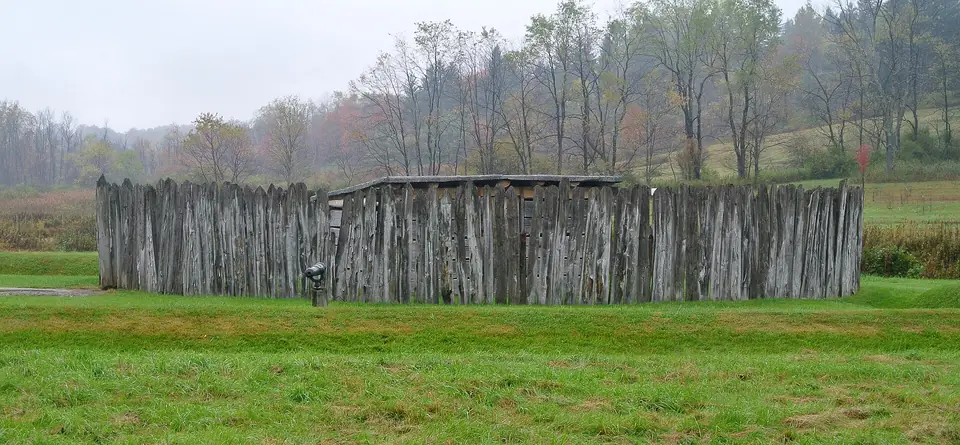
Fort Necessity National Battlefield
A reconstructed round stockade in a mountain meadow where young George Washington fought his first battle in 1754, opening the French and Indian War, with a visitor center and trails.
-
Bushy Run Battlefield
The wooded hilltop where British troops under Henry Bouquet fought off a Native American attack in 1763, during Pontiac's War, with a visitor center and walking trails.
-
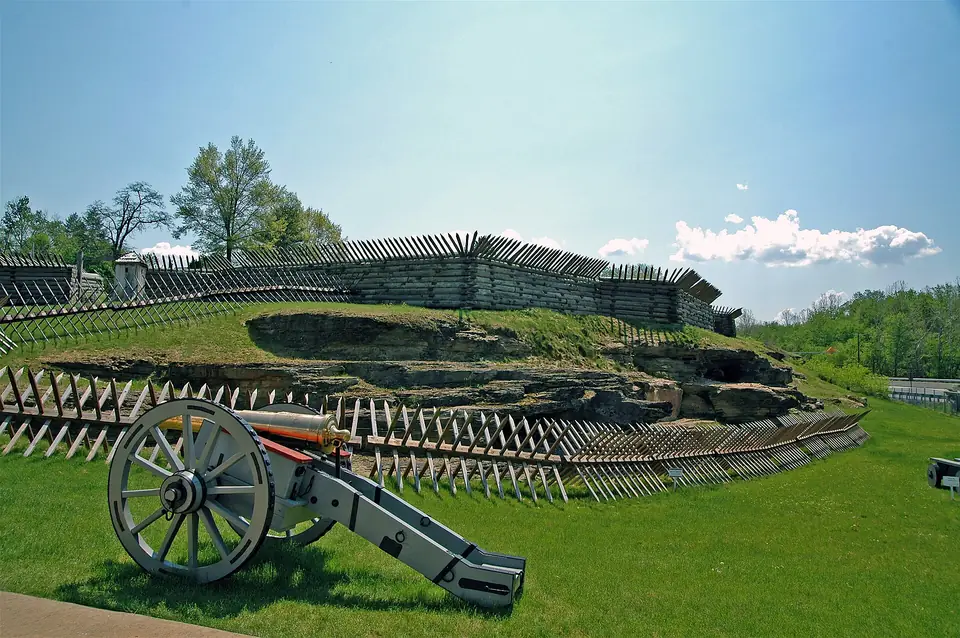
Fort Ligonier
A full-scale reconstruction of the British fort built in 1758 during the Forbes campaign, with earthworks, cannon and a museum of French and Indian War artifacts.
-
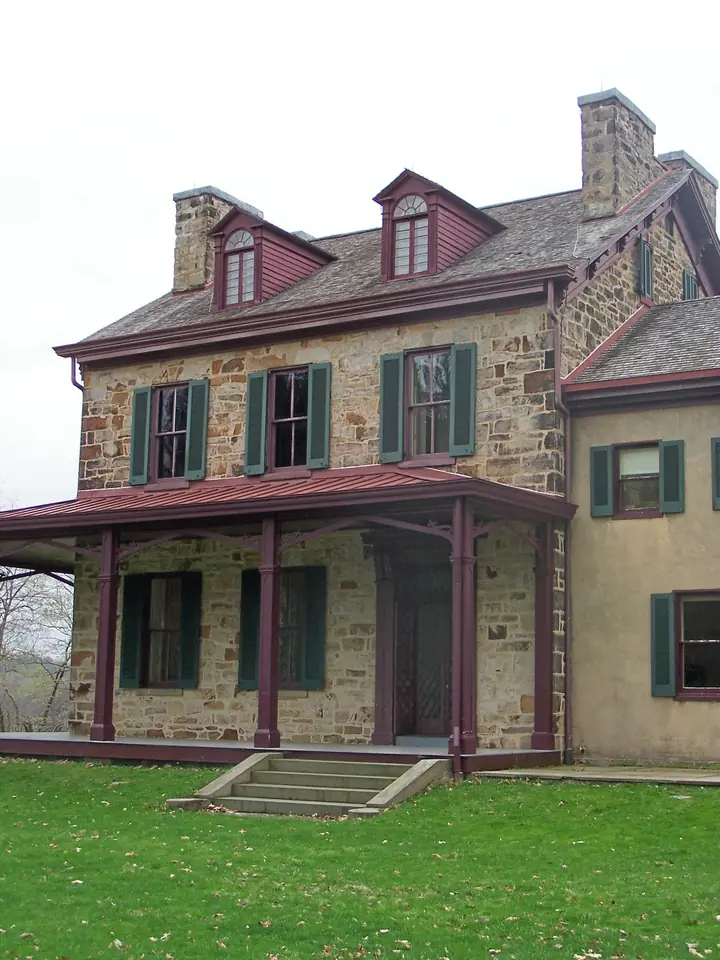
Friendship Hill National Historic Site
The country home of Albert Gallatin, Treasury secretary to Jefferson and Madison, on a bluff above the Monongahela River, with woodland trails and river views.
-
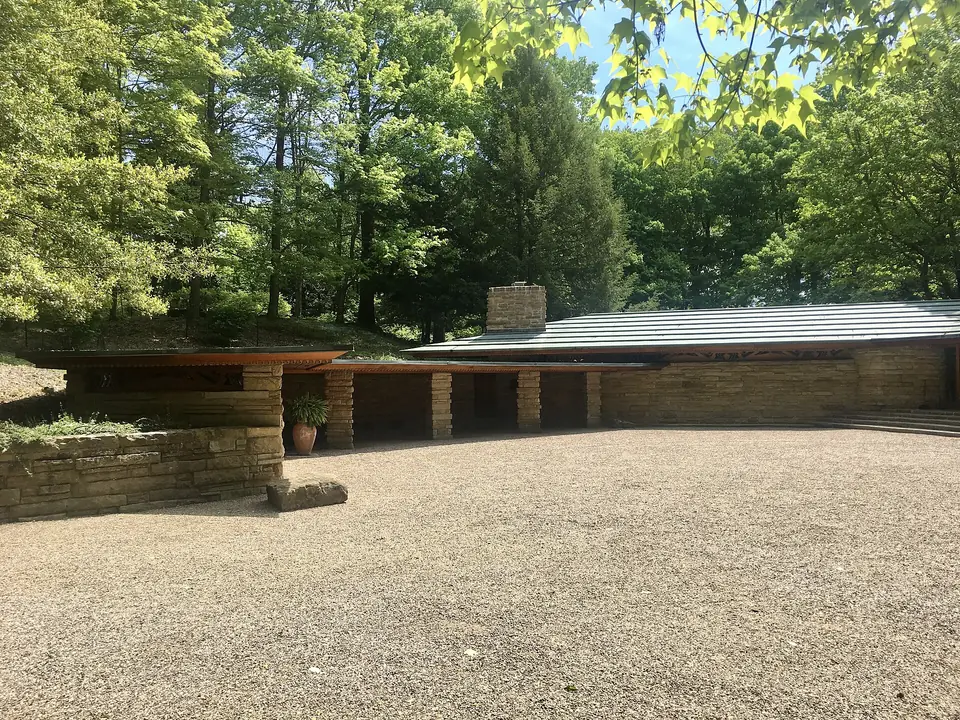
Kentuck Knob
Built of native stone and cypress and tucked into a hillside a few miles from Fallingwater, a later Frank Lloyd Wright house with a woodland sculpture meadow on the grounds.
-
West Overton Village
A 19th-century distilling village where Old Overholt rye whiskey began and industrialist Henry Clay Frick was born, with museums in its old brick and stone buildings.
-
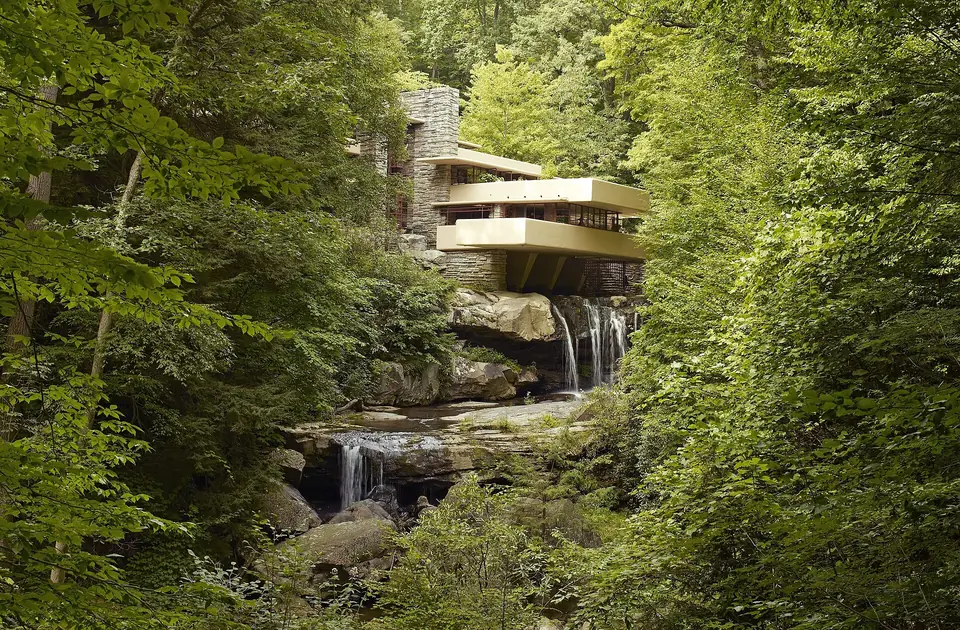
Fallingwater
Frank Lloyd Wright's famous house cantilevered over a waterfall on Bear Run, built for the Kaufmann family in the 1930s and now part of a UNESCO World Heritage listing.